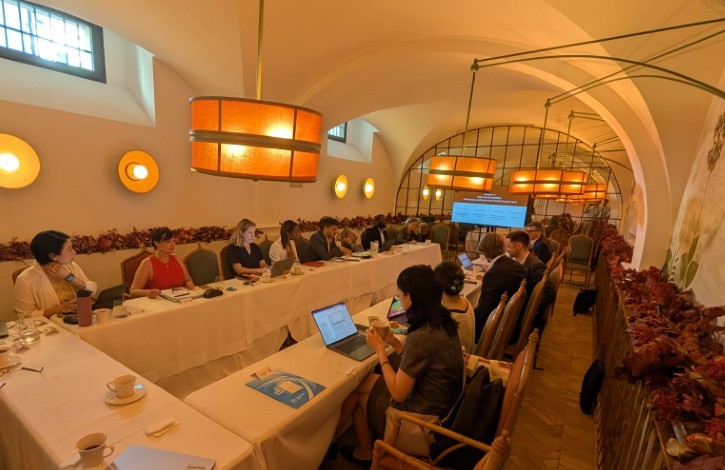
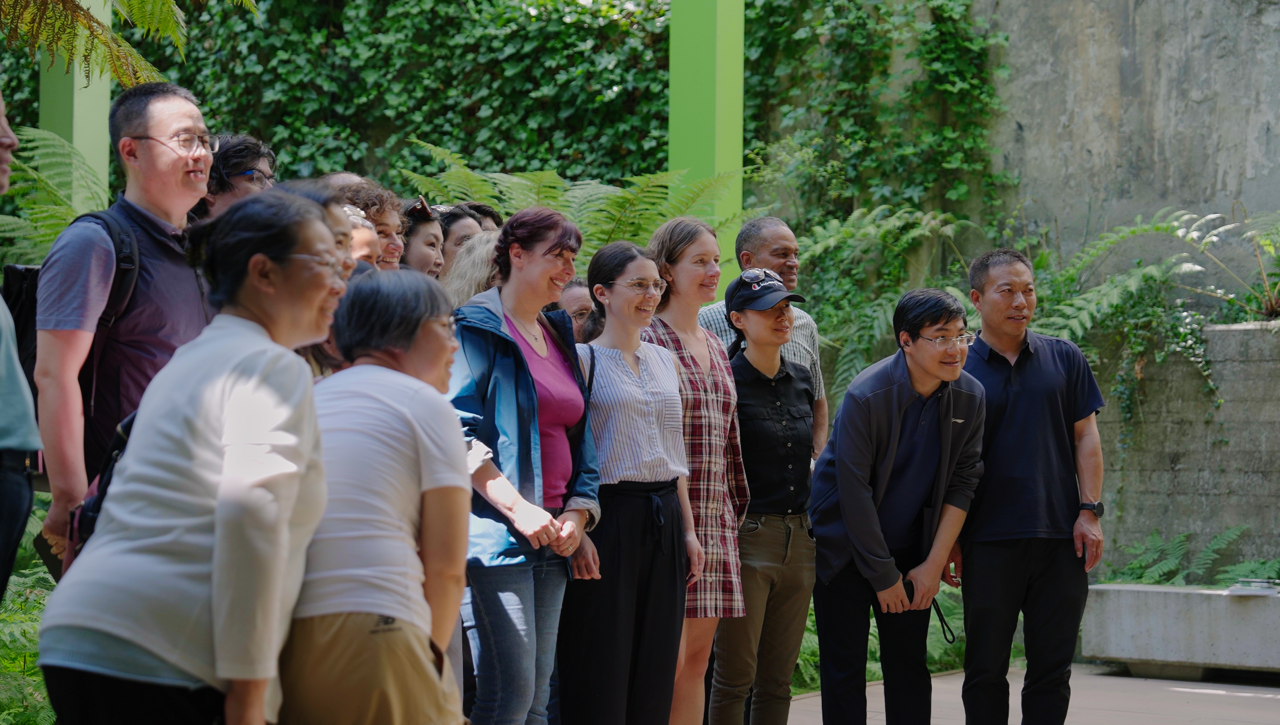
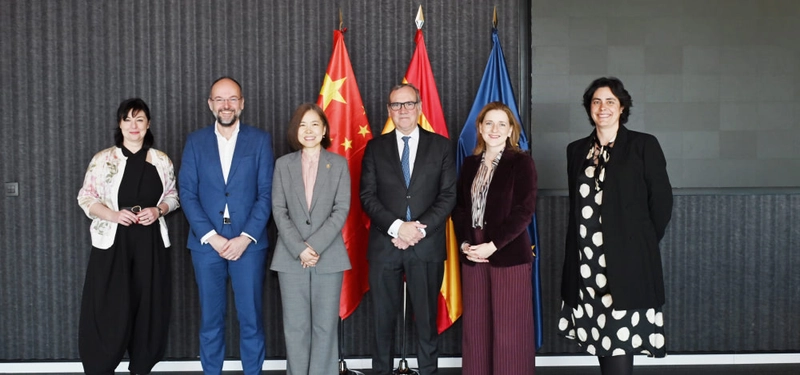
Representatives from governments, trade unions, employers’ organisations and civil society applied the Practical Guide to policy challenges in coal regions, strengthened their capacity to use it and shared lessons from different national contexts.
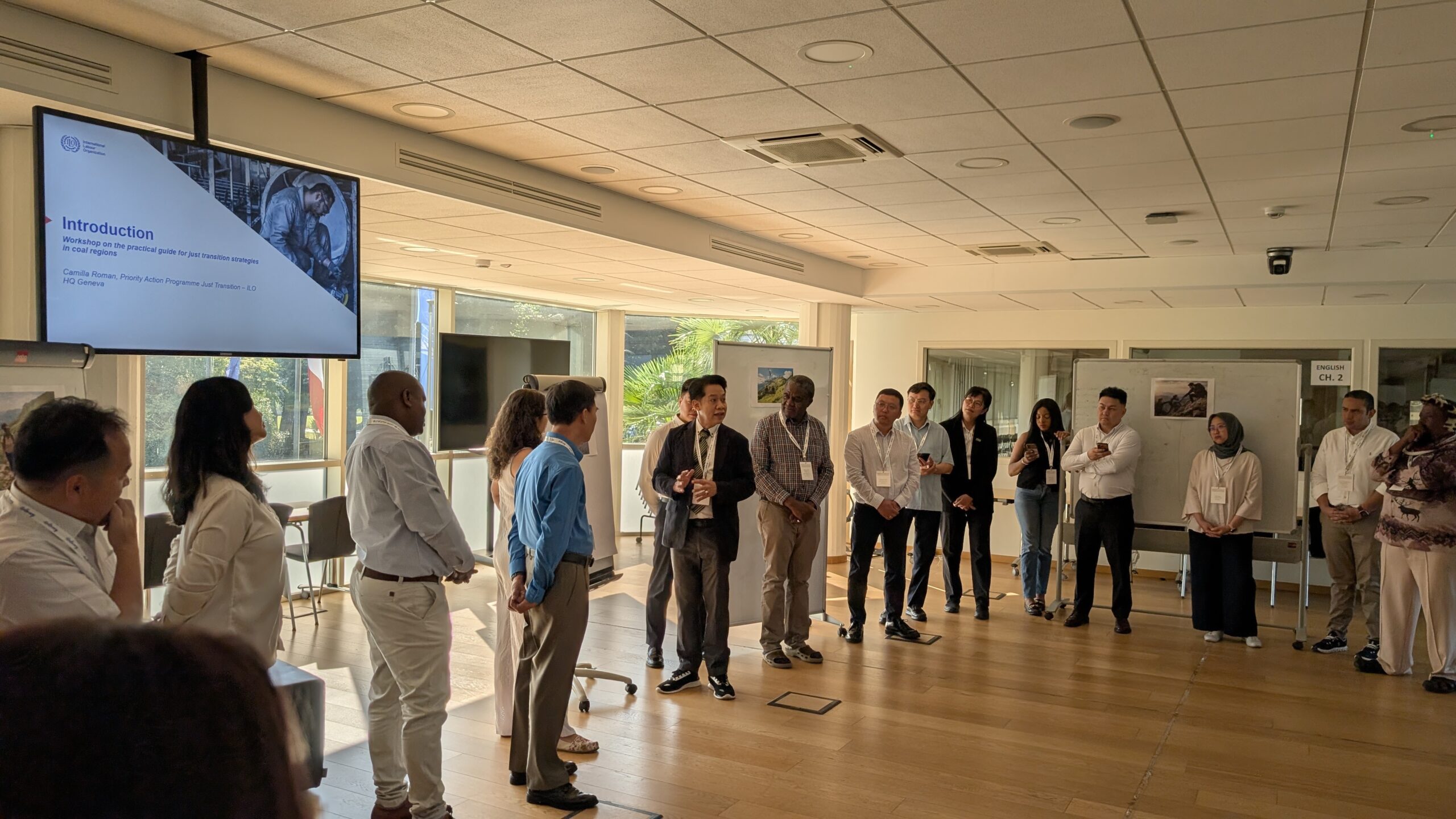
From 28 to 30 July 2026, the IE University Just Transition Observatory joined the International Labour Organization (ILO) and its International Training Centre (ITCILO) at the United Nations Campus in Turin for a three-day workshop on the Practical Guide on Just Energy Transition Strategies for Coal Regions.
The workshop brought together 26 participants from Colombia, Indonesia, Mongolia, the Philippines, South Africa, Thailand and Viet Nam. They represented national and regional governments, employers’ and business associations, trade unions, public commissions and civil society organisations.
A just energy transition seeks to ensure that the move away from coal protects the workers, families and regions whose livelihoods depend on the sector. This requires governments and social partners to anticipate the effects of mine and power plant closures, develop alternative sources of employment, strengthen skills and social protection systems, and give affected communities a meaningful role in decisions.
The ILO and ITCILO developed the Practical Guide in collaboration with IE University to support this work. Its ten modules provide a structured framework for governments, workers’ and employers’ organisations and other stakeholders to assess their situation, identify gaps and design responses suited to their territory.
The Turin workshop was the third in a series organised to validate the Guide with stakeholders involved in just transition processes.
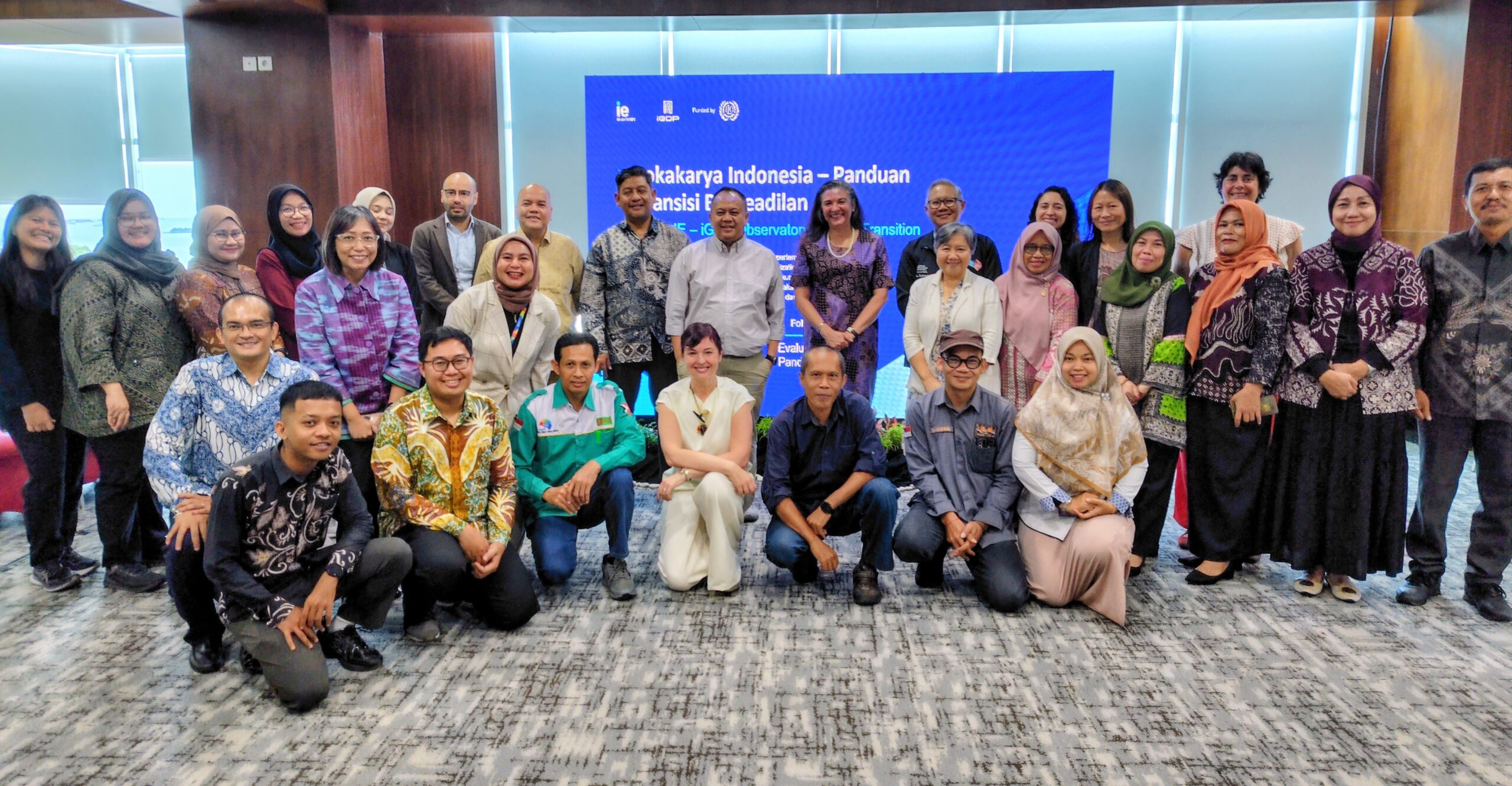
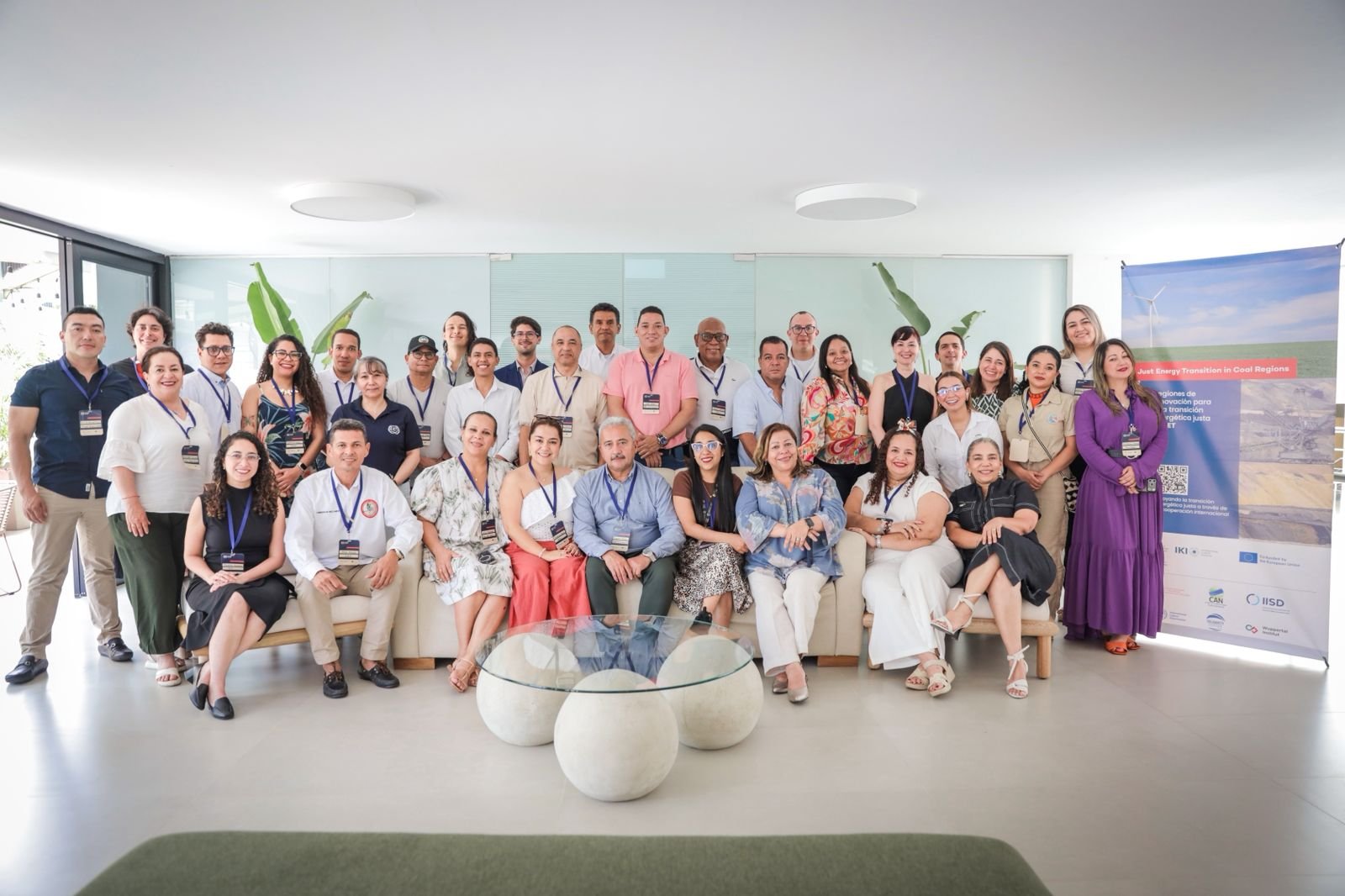
Earlier workshops in Balikpapan, Indonesia, and Valledupar, Colombia, examined how the Guide worked in two specific coal-dependent regions. In Turin, participants worked on subjects including participation and governance, policy development, institutional coordination, economic diversification, employment, social protection, education and training, finance, and gender equality. The sessions connected the Guide’s analytical framework with the practical questions facing coal regions: who should participate in decision-making, how responsibilities should be divided between institutions, which workers and businesses will be affected, how transition measures can be financed, and what must happen before existing jobs disappear.
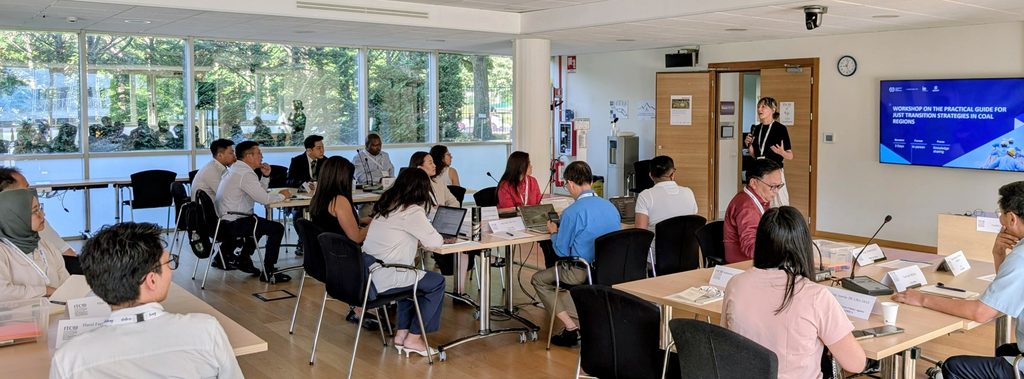
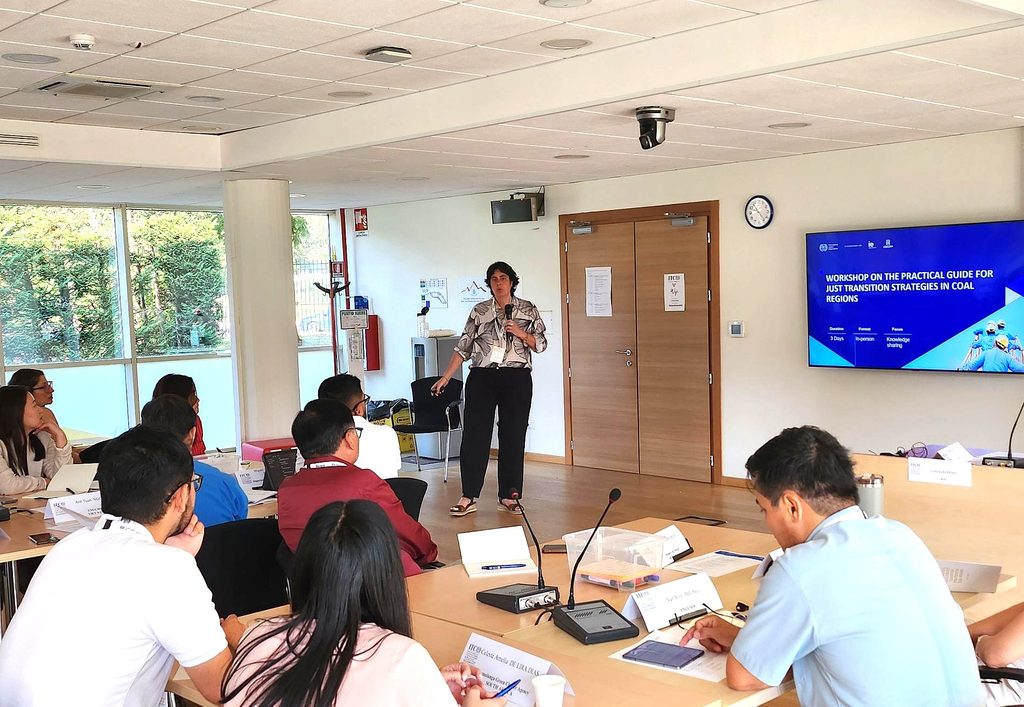
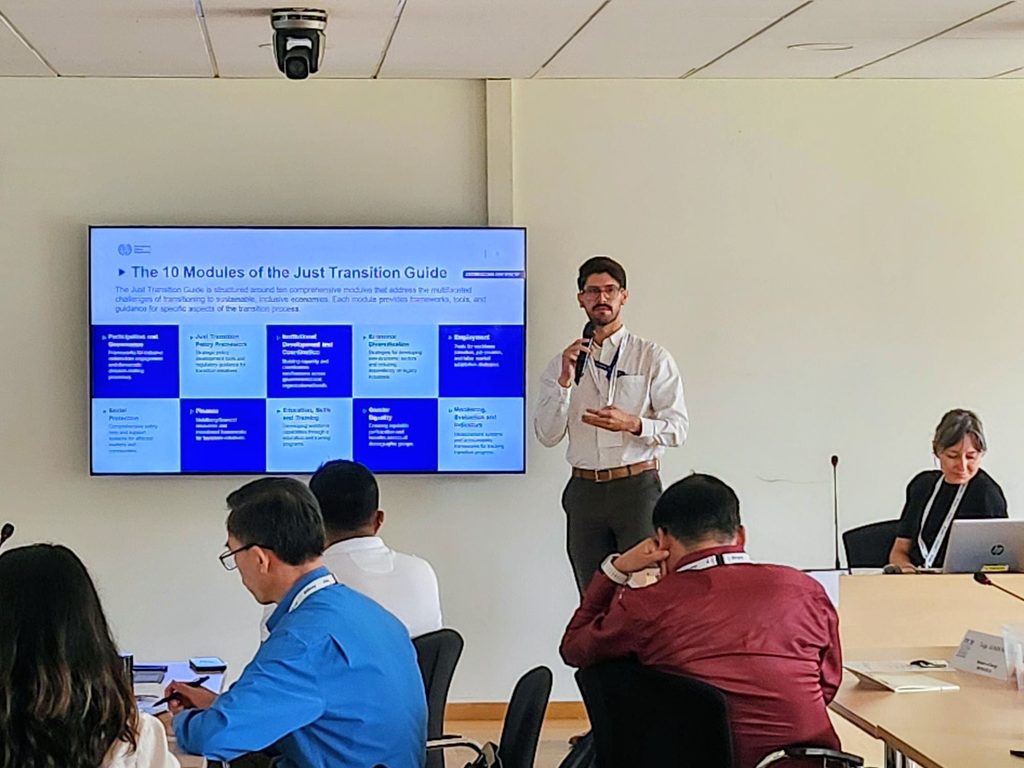
The programme combined presentations with country exchanges, group work and scenario-based exercises. Participants applied the Guide’s decision pathways to a simulated territory, examined risks and policy options, and reflected on how the tools could be adapted to their own contexts.
This practical approach allowed participants to move beyond general principles. Exercises addressed issues such as stakeholder mapping, employment impacts, economic diversification, social protection coverage, skills needs and financing arrangements. Real-time polling also helped establish a picture of the institutional conditions in each country and identify common gaps.
Participants compared governance arrangements, financing mechanisms, approaches to community engagement and efforts to support workers moving into new employment. Despite significant differences between countries, the discussions revealed shared challenges and examples that could be adapted across regions.
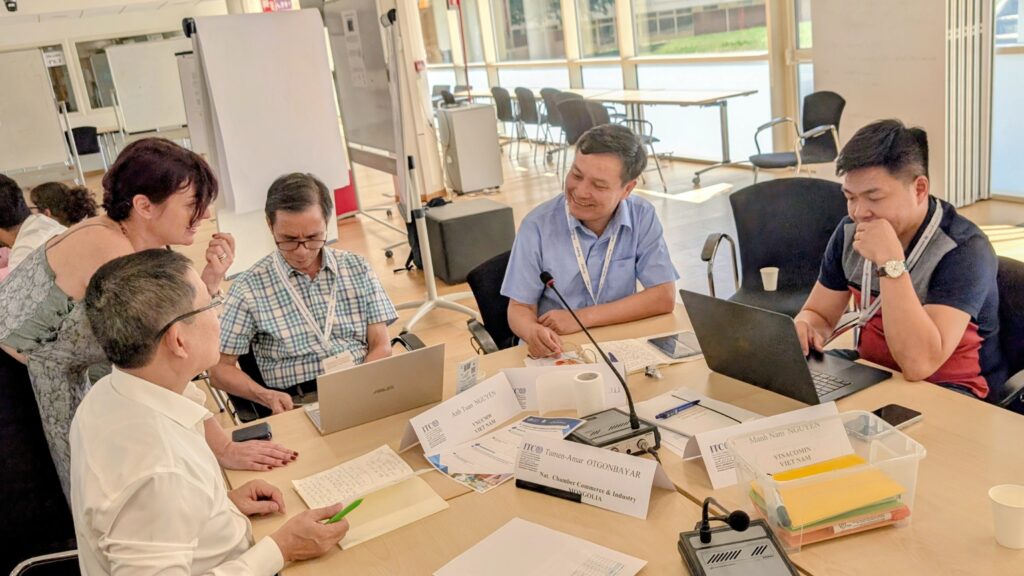
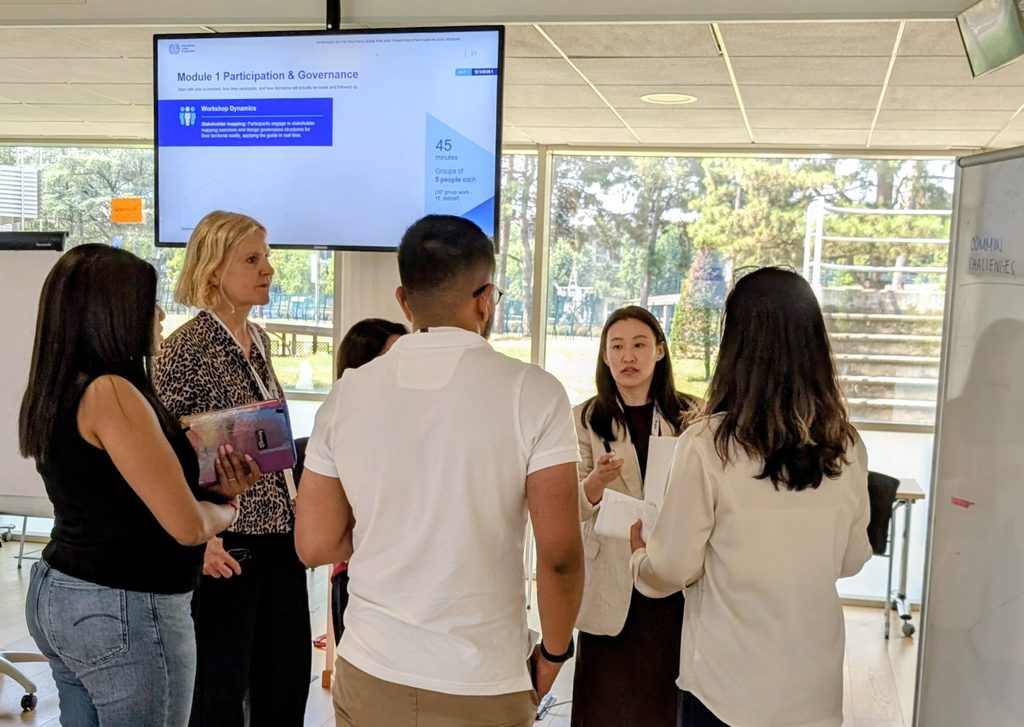
Stakeholders noted the Guide’s modular structure as practical and relevant to their work. They particularly valued the exercises, which helped translate policy concepts into decisions that governments, social partners and regional institutions may need to make during a coal transition.
The final session focused on turning the workshop’s lessons into action. Each participant identified a step to take after returning home, the partners and resources required, possible barriers and the support that could help move the work forward.
The Turin workshop closed the field-validation phase of the mandate entrusted to the IE University team by the International Labour Organization. It also demonstrated why applied research must remain open to challenge and revision. A framework becomes useful when practitioners can test it against institutional constraints, workers’ needs and the realities of coal-dependent territories.
We use both our own and third-party cookies to enhance our services and to offer you the content that most suits your preferences by analysing your browsing habits. Your continued use of the site means that you accept these cookies. You may change your settings and obtain more information here. Accept