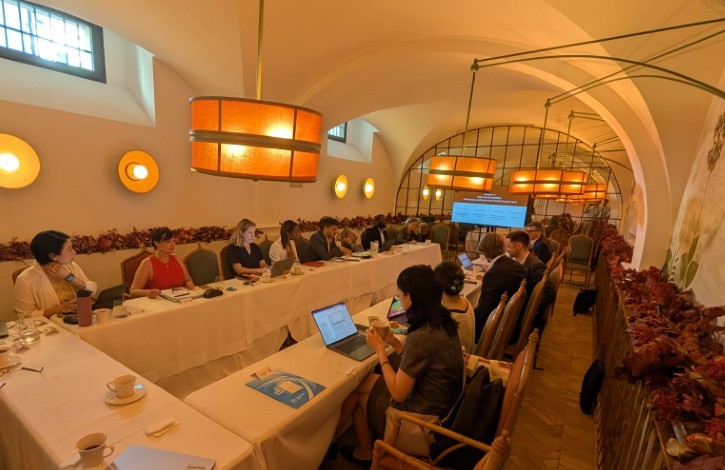
Plataforma CIPÓ’s Global Policy Dialogue 2026 brought governments, multilateral bodies and civil society together to confront the hardest part of climate policy: delivery. The Just Transition Observatory contributed to one of the event’s roadmap working groups.
SALVADOR, BRAZIL — May 2026
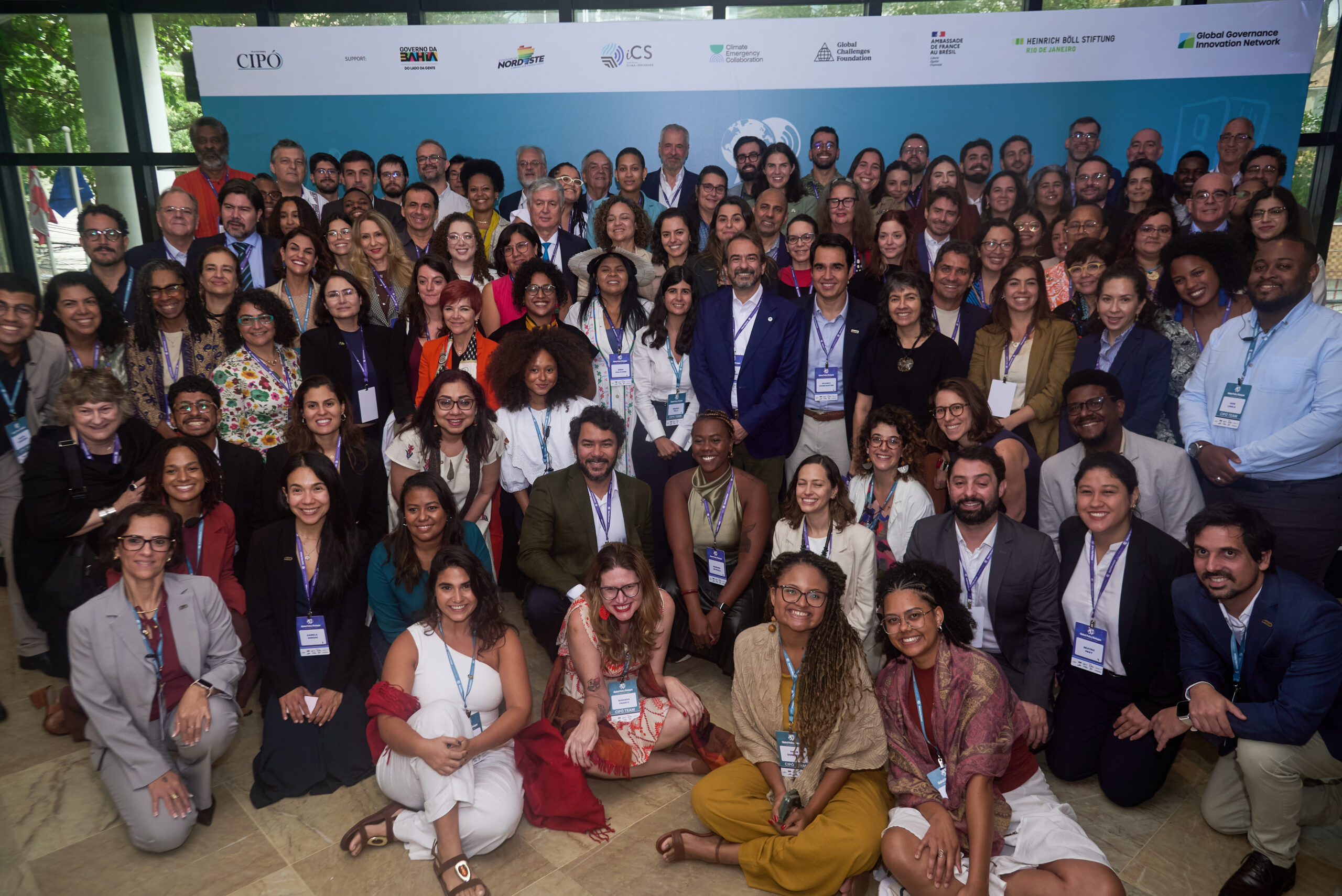
Salvador hosted two days of international debate in late May on the question that now sits at the centre of climate governance: how to carry the commitments made at COP30 in Belém last November into everyday practice. Organised by the Brazilian policy institute Plataforma CIPÓ under the theme “From Commitment to Implementation: The Legacy of COP30 and Pathways to Strengthening Global Climate Governance,” the Global Policy Dialogue 2026 ran on 25 and 26 May.
The meeting gathered delegations from more than twenty countries together with members of the COP30 Presidency, Brazilian officials, multilateral institutions, researchers and civil-society organisations. Conversations were held under Chatham House conventions, giving participants room to speak candidly about the obstacles that stand between signed agreements and measurable results.
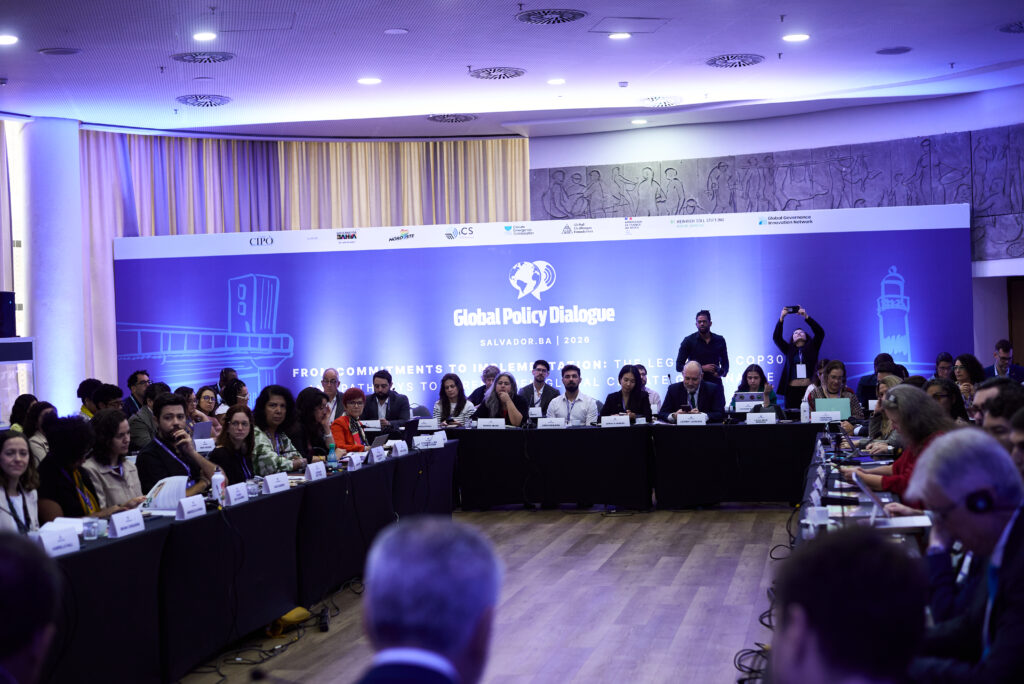
Across the plenary panels and smaller breakout groups, one idea surfaced repeatedly: once an agreement exists, progress need not stall when political consensus frays. Implementation can keep advancing through coalitions, cross-border partnerships and action layered across national, local and network levels. Several participants pressed for governance arrangements that are deliberately built to absorb shocks and able to withstand leadership turnover and shifting politics while continuing to produce outcomes.
Speakers also tied the discussion to the wider reform conversation taking shape around the United Nations, where the ambition is a more networked and inclusive form of multilateralism that links global frameworks more tightly to delivery on the ground.
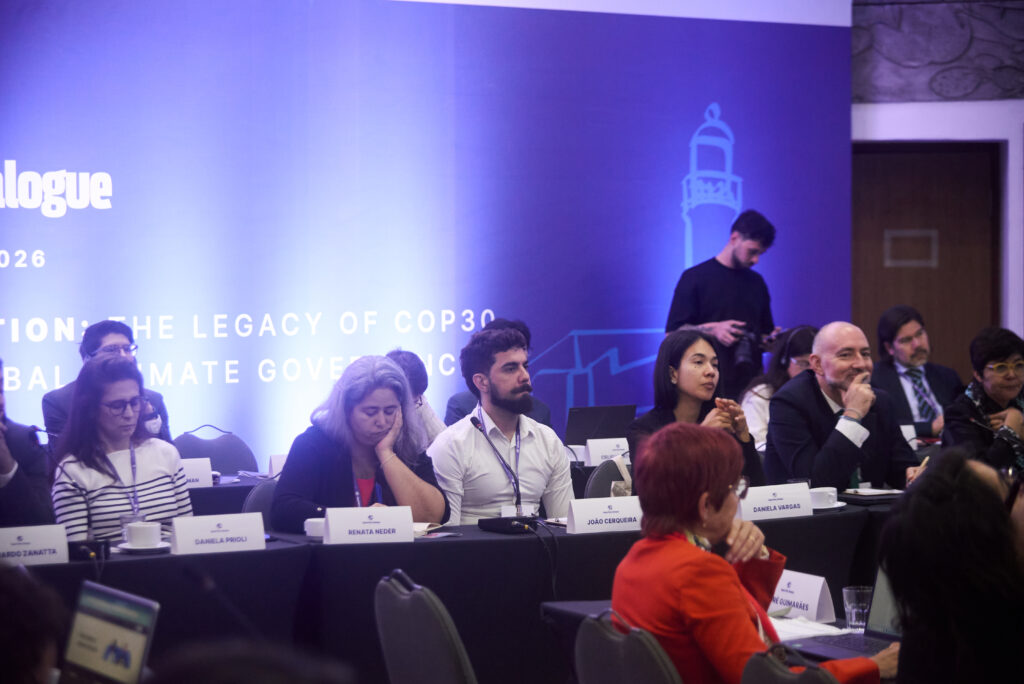
The Just Transition Observatory, a programme of the Sustainable Transition Hub at IE University, took part in just one strand of that programme: a working group built around the COP30 Presidency’s roadmaps, the structured action plans for moving away from fossil fuels in a fair and orderly way, and for halting and then reversing deforestation and forest loss by the end of this decade. The session brought government representatives, independent experts, international agencies and climate philanthropy into one room to ask a deceptively simple question: who does what, and by when, to make these plans real.
That discussion fed into a broader push, coordinated through the COP30 network of special envoys, to widen the political coalition behind the roadmaps and turn diplomatic momentum into coordinated delivery — the work of translating high-level pledges into concrete research, tasks and programmes that institutions can actually carry out.
Speaking during the session, Juan Daniel Acuña Roman, the Observatory’s project manager and lead researcher, argued that any credible just transition roadmap has to start with evidence. Before a country can plot its course, he said, it needs a clear reading of two things: how exposed it is to the upheaval the transition will bring, and how ready it is to adapt. Producing that kind of diagnosis is one of the gaps the Observatory’s indicator framework is built to close, supplying the comparable measures countries need to understand where they stand before committing to a plan.
Acuña also pointed to a practical companion to that analytical work. Together with the International Labour Organization (ILO), the Observatory is developing a step-by-step guide designed to walk countries through the process of building a just transition strategy from scratch. The aim, he explained, is to keep it deliberately didactic — a clear, accessible sequence that stakeholders can follow even when they are starting with little in place.
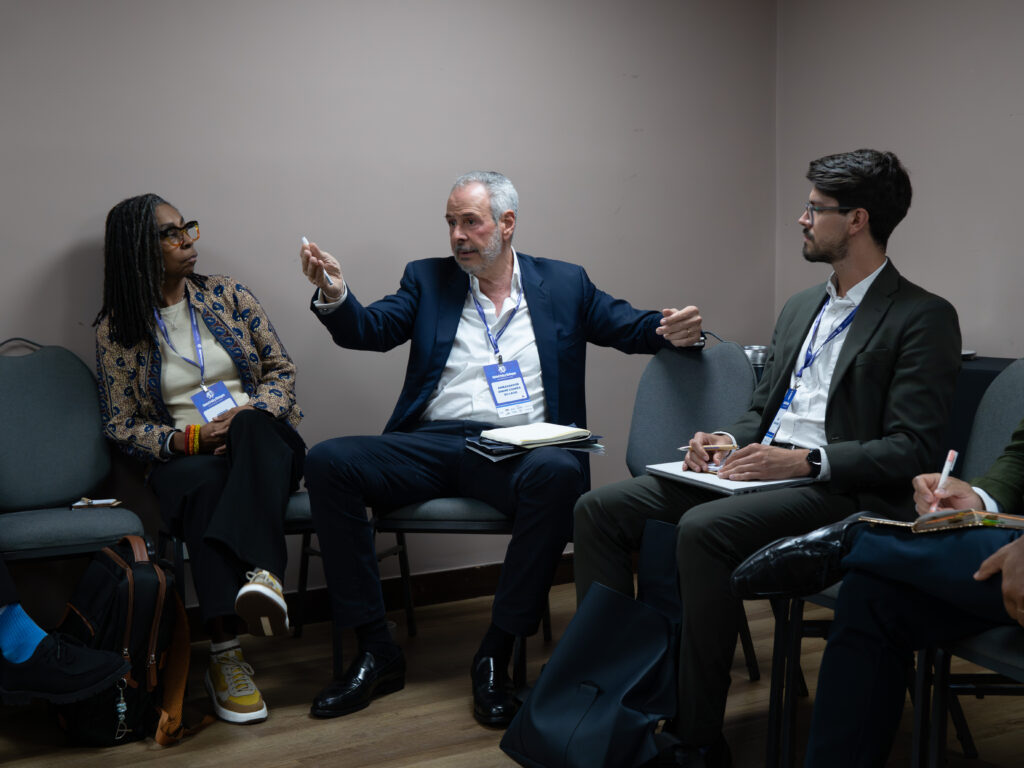
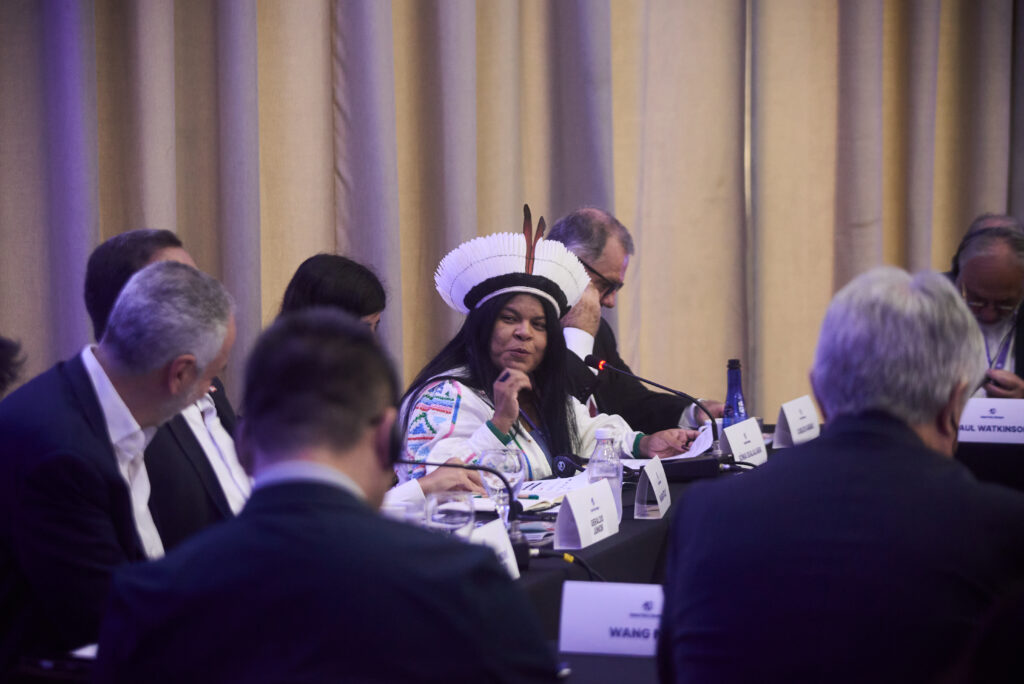
The Dialogue assembled a notably senior cast. COP30 President Ambassador André Corrêa do Lago took part, as did the federal congresswoman and former Minister of Indigenous Peoples Sonia Guajajara, and Plataforma CIPÓ’s Executive Director, Maiara Folly. Representatives of the upcoming conference hosts were also present — Australia and Türkiye, which will share responsibility for COP31, and Ethiopia, slated to host COP32 — alongside officials from Brazil’s Ministry of Finance and the Northeast Consortium.
The Global Policy Dialogue 2026 was organised by Plataforma CIPÓ with the Government of Bahia, the Northeast Consortium, Instituto Clima e Sociedade (iCS), the Climate Emergency Collaboration Group, the Global Challenges Foundation, the French Embassy in Brazil, the Heinrich Böll Foundation and the Global Governance Innovation Network. The organisers have said a special bulletin and a full report capturing the discussions and their main takeaways will follow in the coming weeks.
We use both our own and third-party cookies to enhance our services and to offer you the content that most suits your preferences by analysing your browsing habits. Your continued use of the site means that you accept these cookies. You may change your settings and obtain more information here. Accept