ILO and IE University convene a hands-on workshop in Balikpapan to pilot the Practical Guide for Just Transition Strategies in Coal Regions
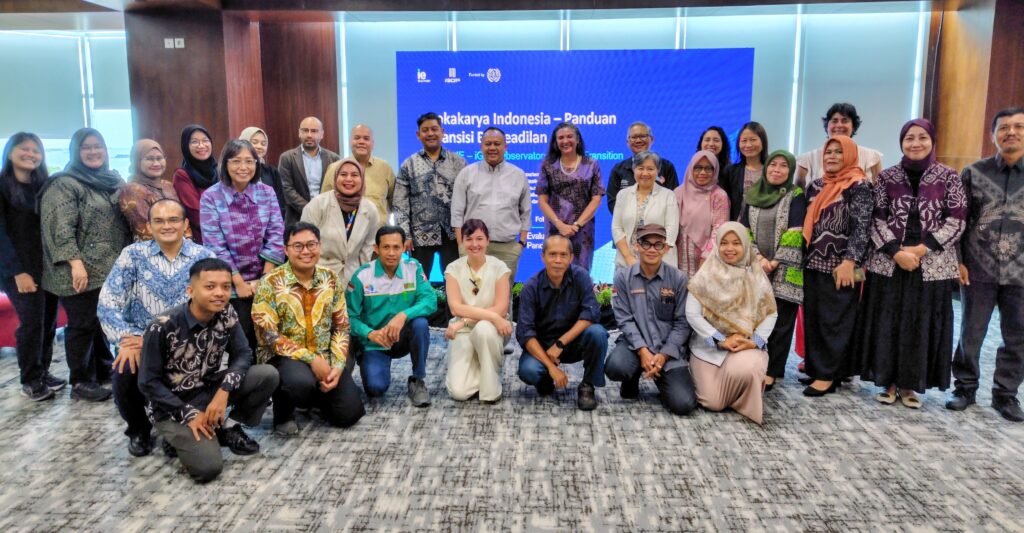
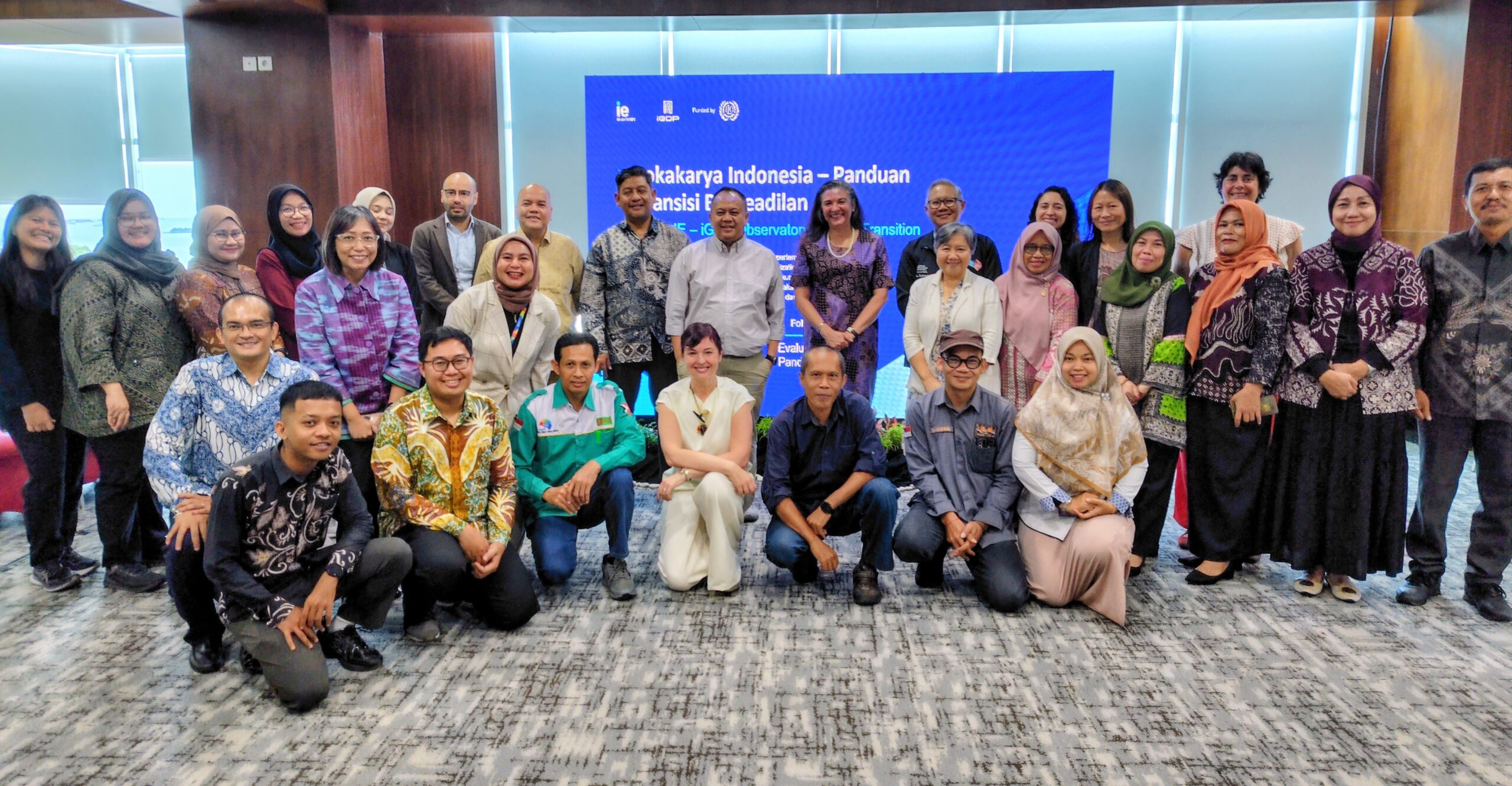
From 23rd June to 25th June 2026, Balikpapan, Indonesia, hosted a new milestone in the development of practical tools for advancing just energy transitions in coal-dependent regions. The International Labour Organization, together with IE University and the iGDP Observatory on Just Transition, convened a three-day in-person workshop to pilot and refine the Practical Guide for Just Transition Strategies in Coal Regions, bringing together representatives from government, workers’ and employers’ organizations, academia, civil society, and other key stakeholders.
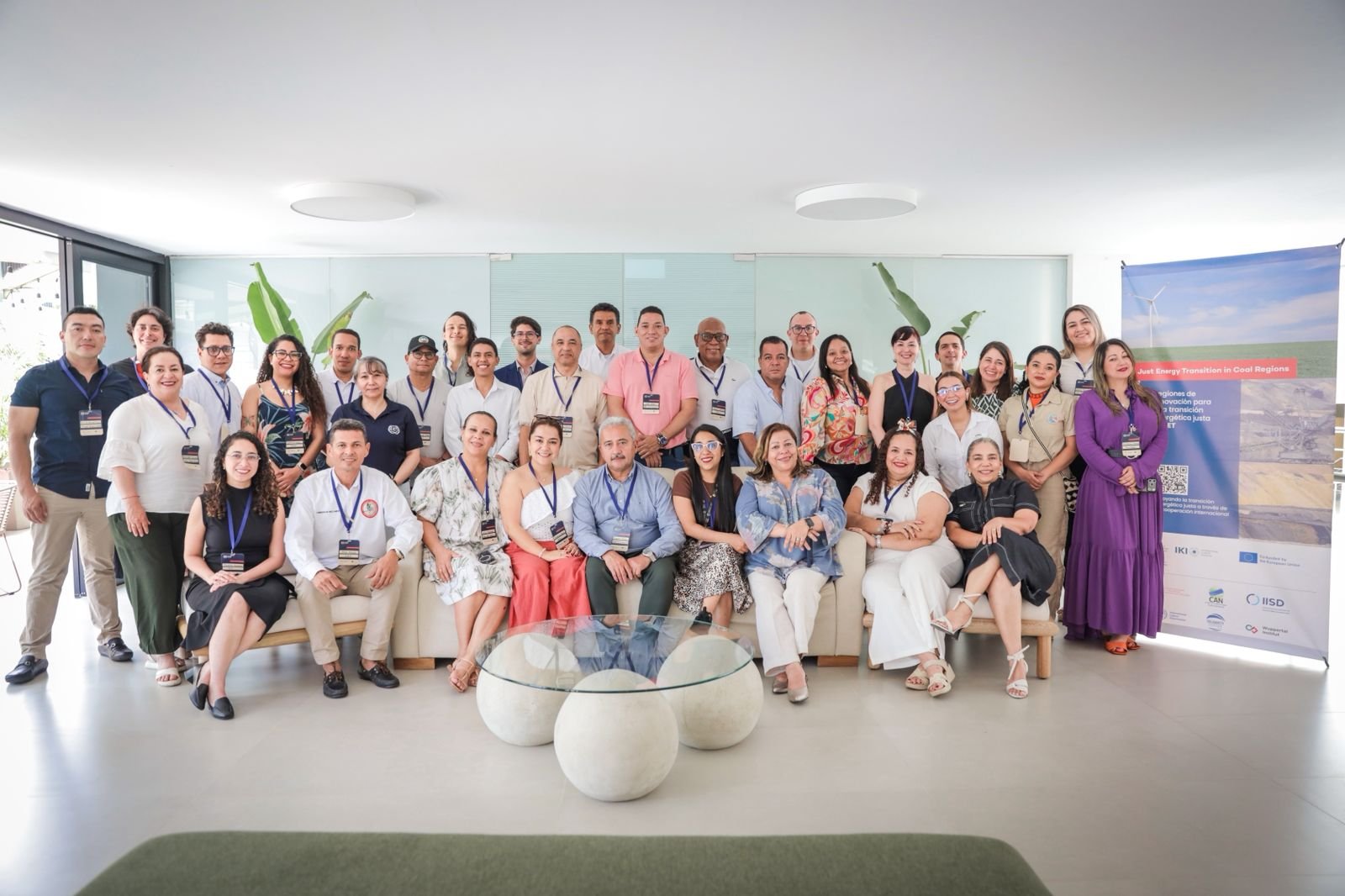
The workshop formed part of the IKI Innovation Regions for a Just Energy Transition (IKI JET Project) and was organized in collaboration with the ILO Country Office for Indonesia and Timor-Leste, the ILO Regional Office for Asia and the Pacific, and IE University. Following a first pilot workshop in Valledupar, Colombia, the Indonesia edition provided an opportunity to test the Guide in a different national and regional context, drawing on the realities of coal-dependent territories in South Sumatra and East Kalimantan.
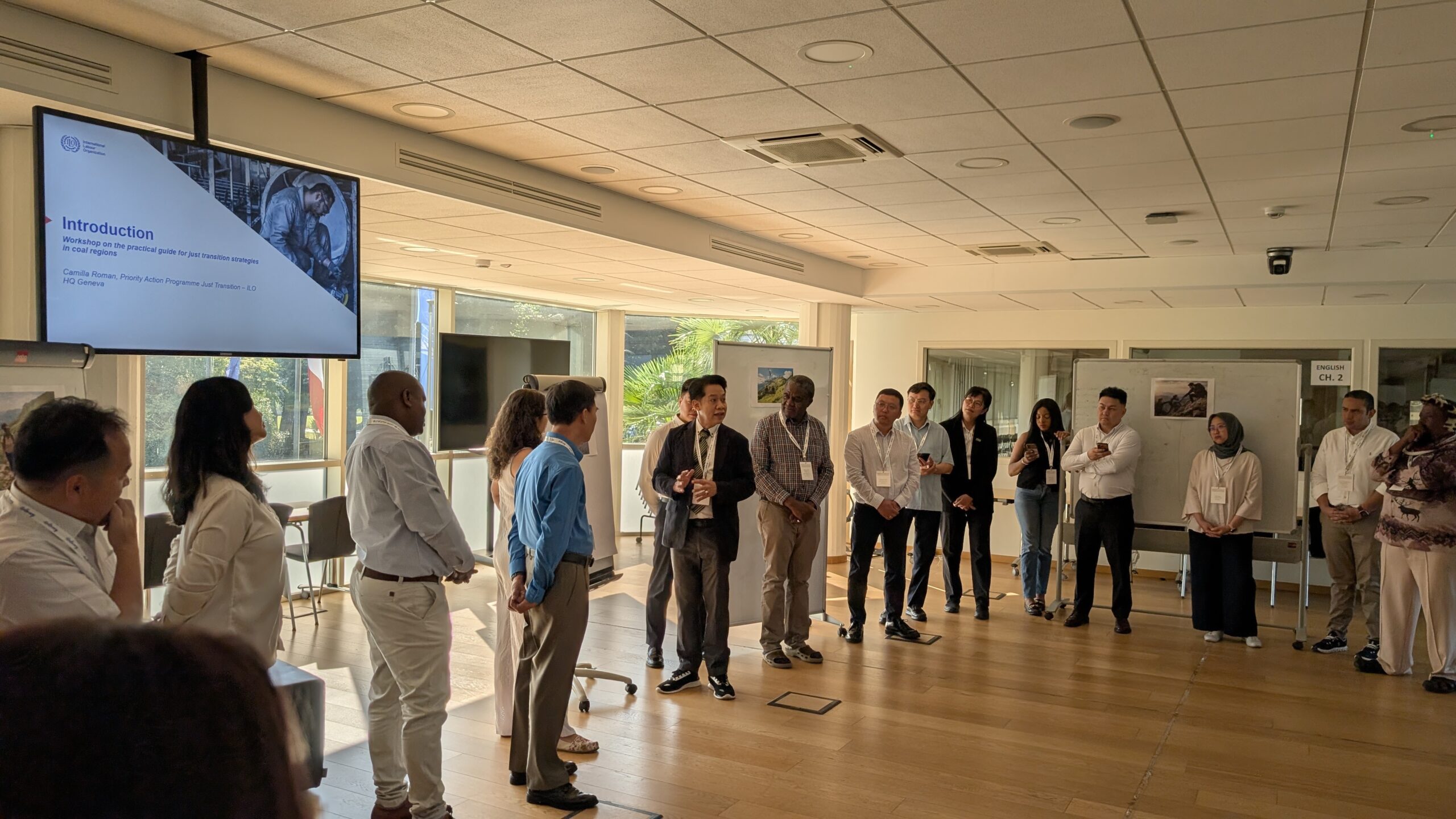
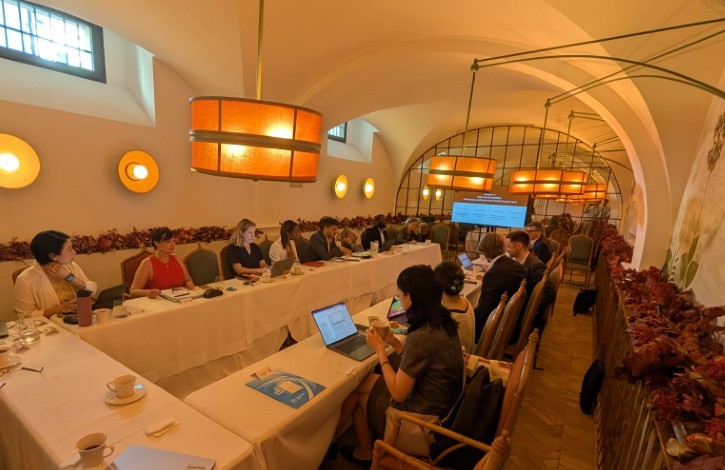
Unlike a conventional training, the workshop was designed as an applied laboratory. Participants did not simply discuss the principles of just transition: they worked through the practical decisions, trade-offs, and coordination challenges that determine whether transition strategies can be implemented effectively on the ground.
Coal-dependent regions face specific transition risks that cannot be addressed through climate or energy targets alone. Job losses may be concentrated in particular territories; supply chains can be disrupted; local revenues may decline; land-use conflicts and environmental liabilities may intensify; and public services may come under pressure. These dynamics are shaped by local economic structures, institutional capacities, and the quality of social dialogue.
For this reason, the Practical Guide is designed as a navigation tool rather than a static document. It helps users identify whether they are developing a just transition strategy from the beginning or strengthening an existing one, guiding them through the main building blocks of transition planning.
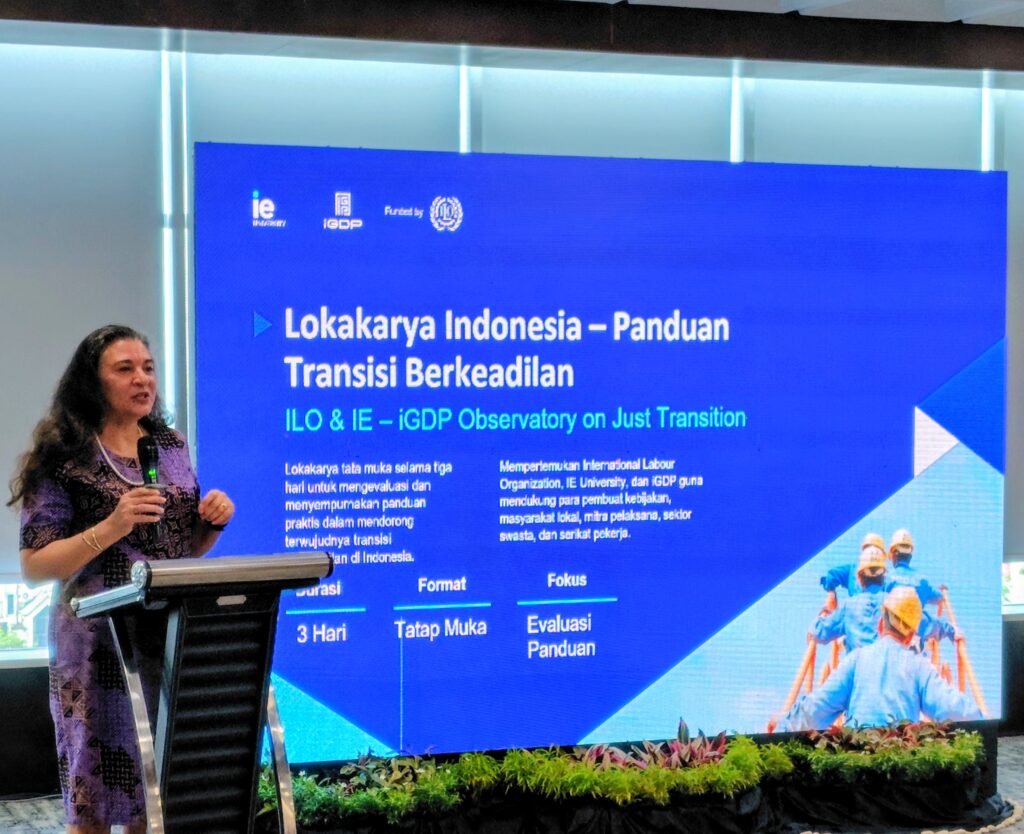
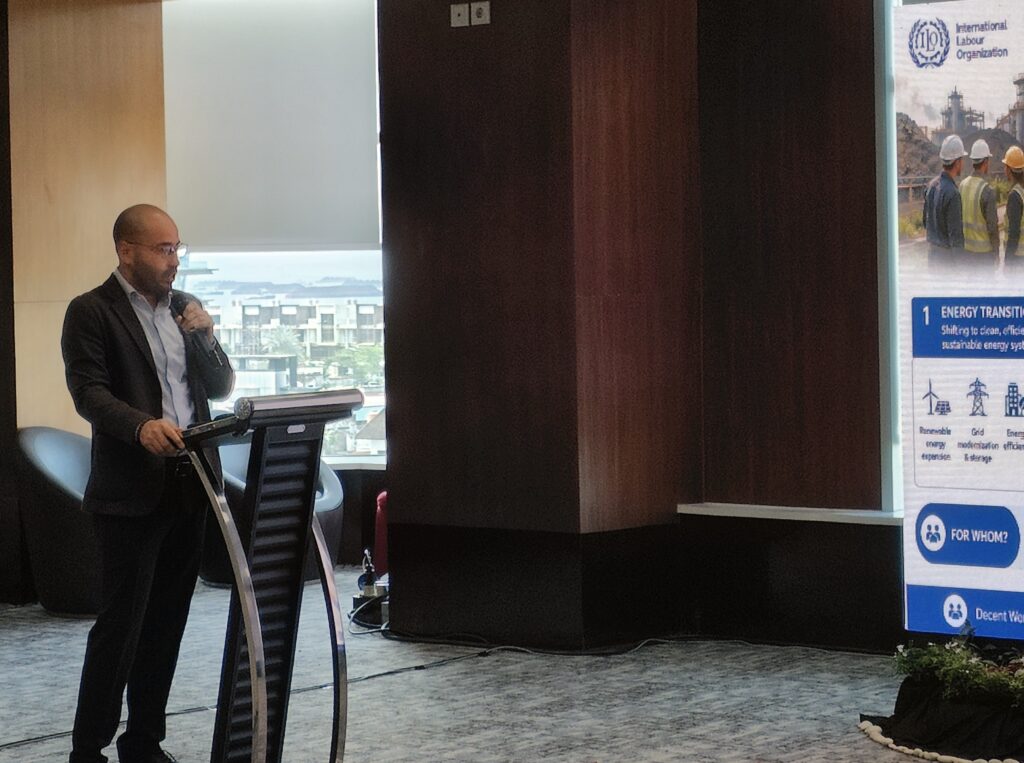
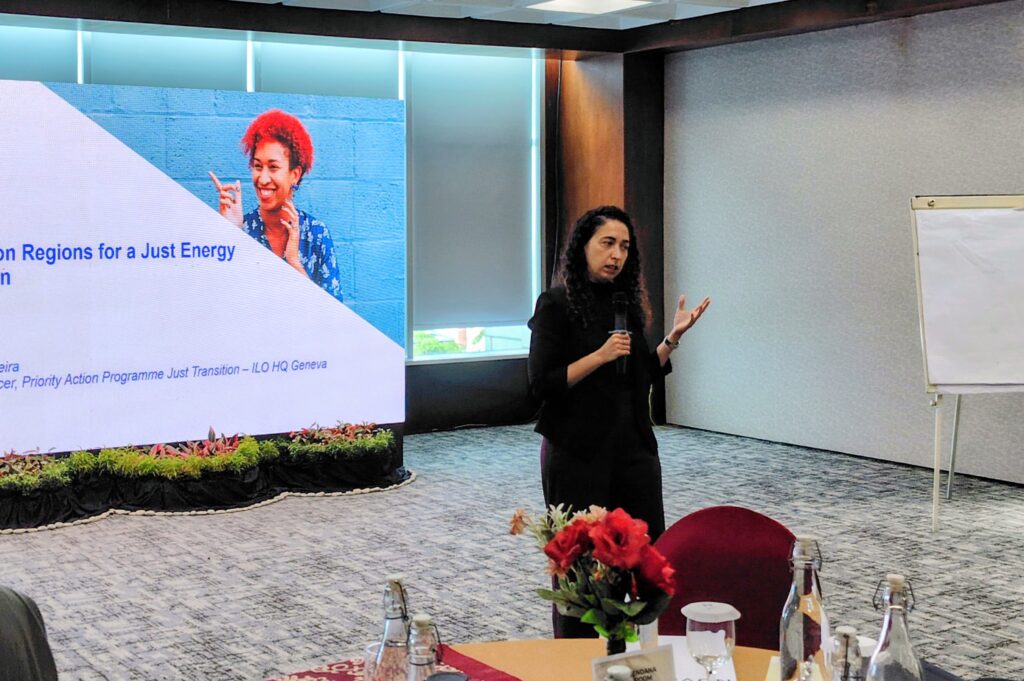
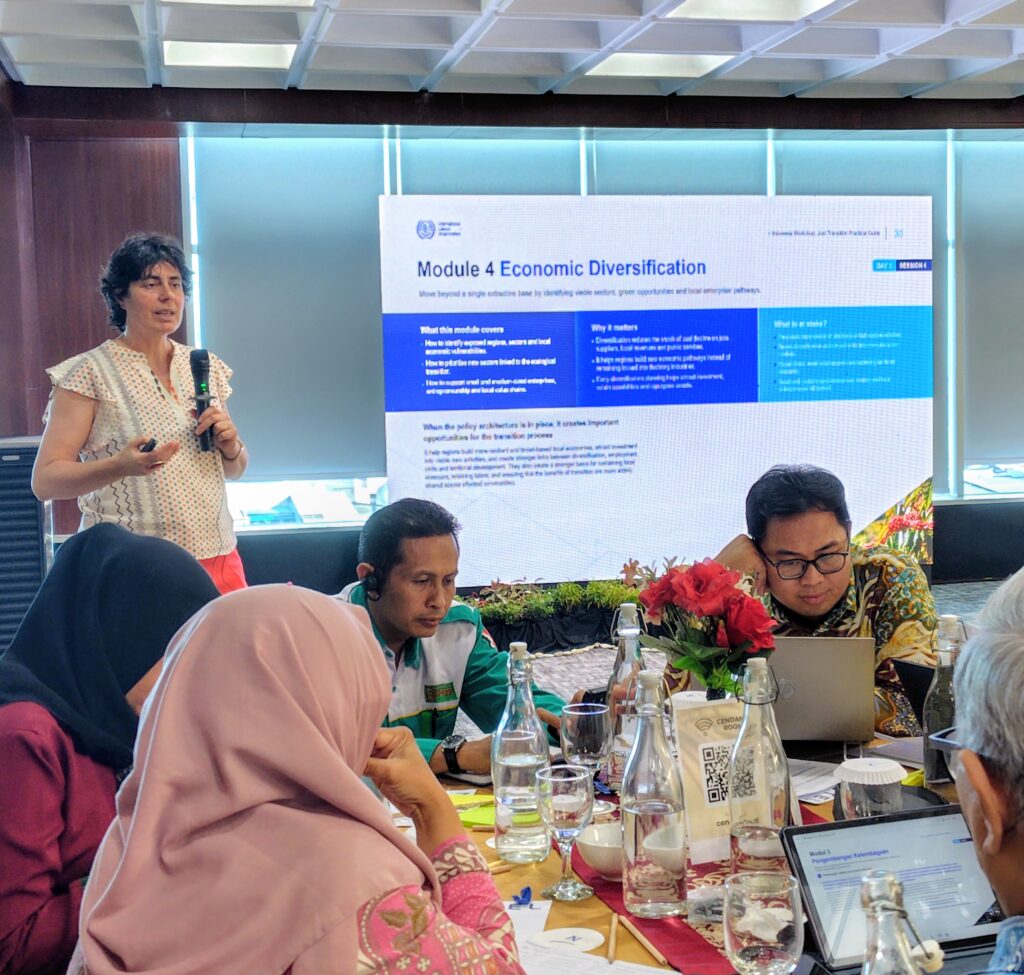
One of the workshop’s strongest contributions was the depth of local insight brought by participants. Discussions reflected Indonesia’s decentralized governance context and the realities of coal-dependent regions. Participants explored coordination challenges between national, provincial, and local levels, as well as how to connect national policy frameworks with territorial development priorities.
The workshop also highlighted groups often at risk of being left behind, including informal workers, women, rural communities, and those affected by land-use changes. Integrating these perspectives into the exercises reinforced the need for transition strategies that are socially inclusive, territorially grounded, and institutionally feasible.
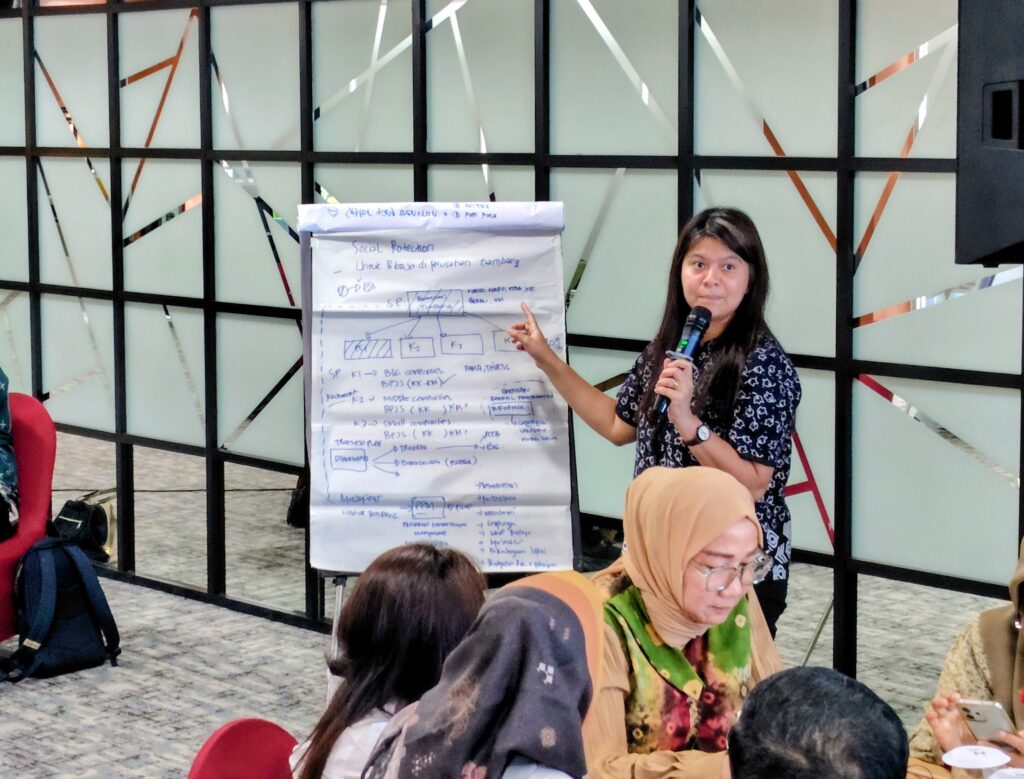
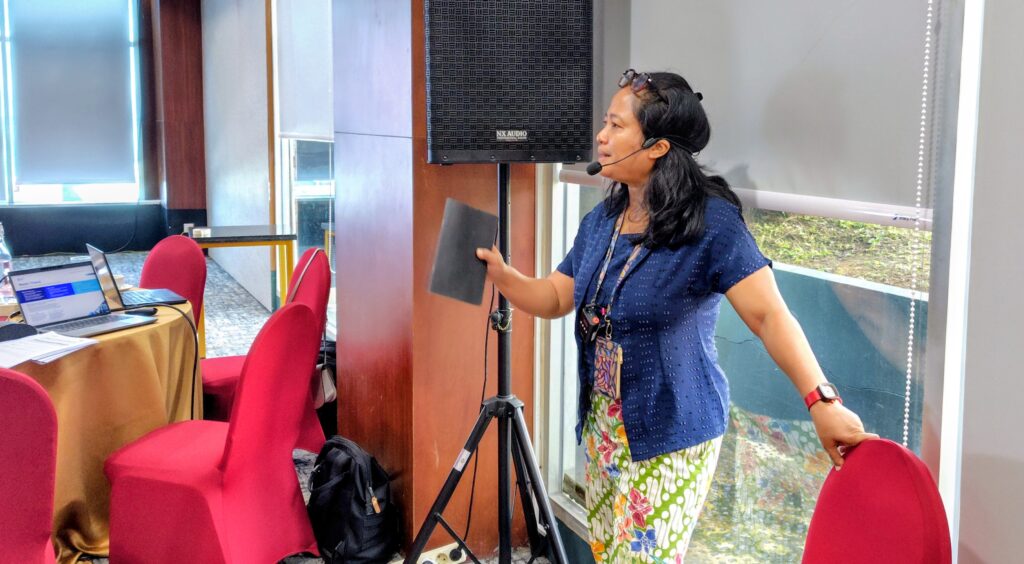
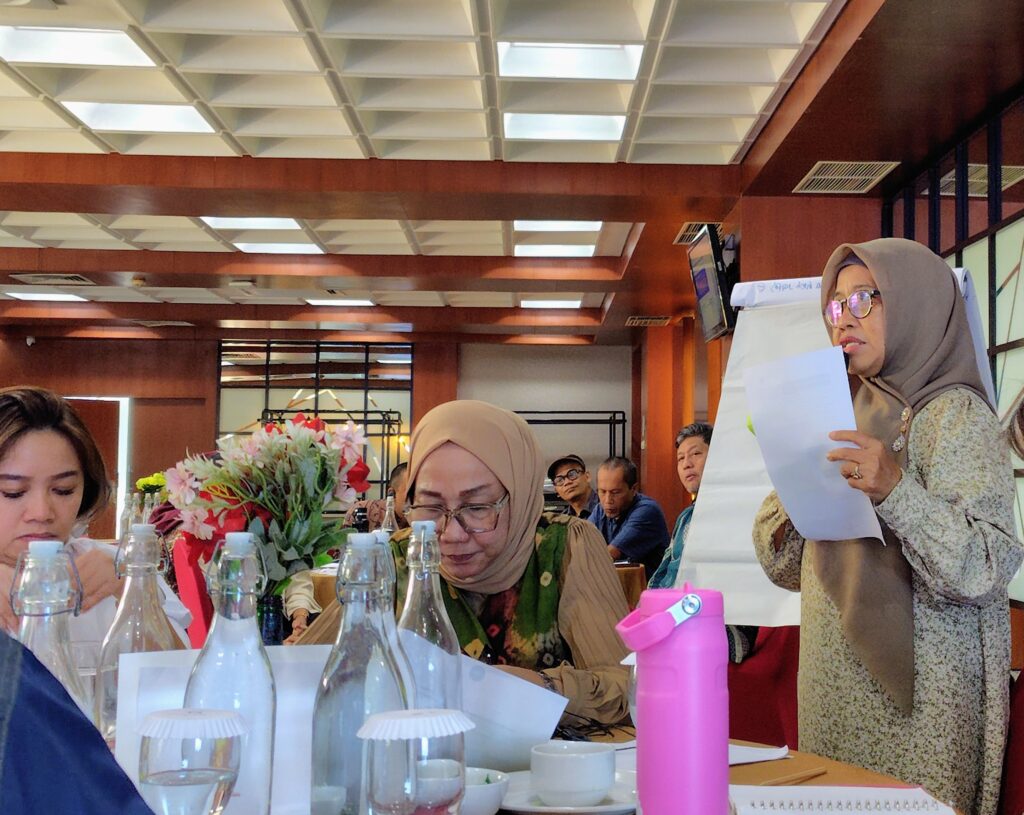
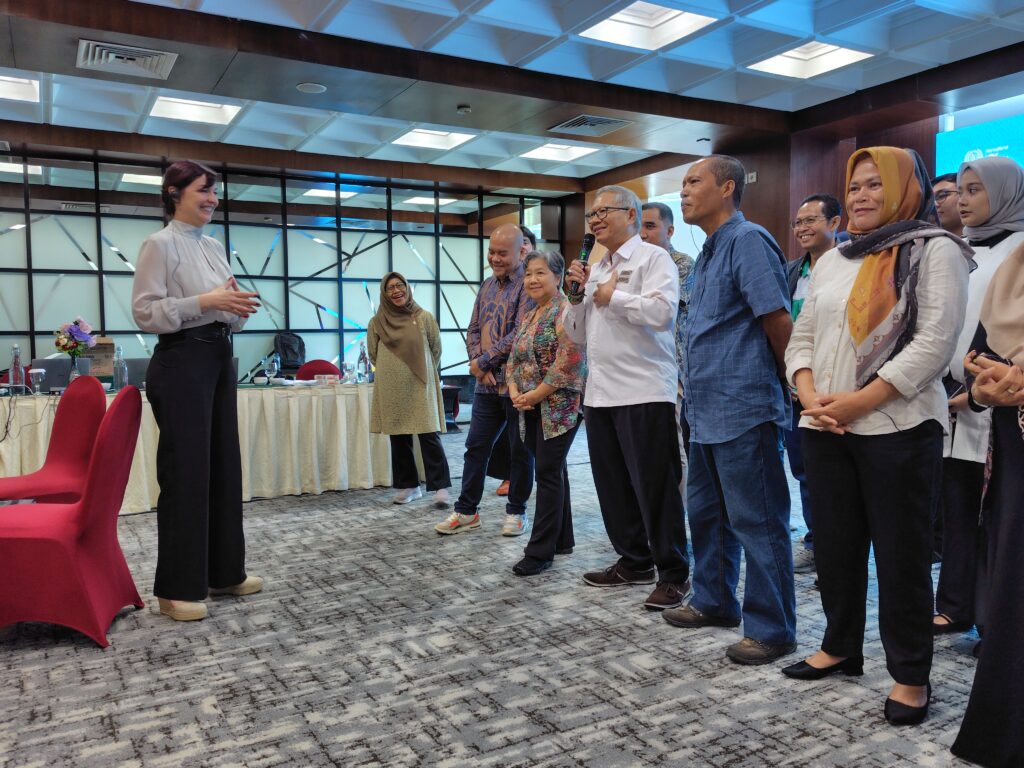
A recurring message throughout the workshop was that a just transition does not happen automatically. It requires structured dialogue, credible institutions, and coordinated action across levels of government and among social partners. Participation and governance are not peripheral elements; they are essential to building legitimacy, trust, and implementation capacity.
This was particularly evident in the focus on stakeholder mapping and governance design. Participants examined how public institutions, workers’ representatives, employers’ organizations, civil society, and local communities can be meaningfully involved in planning, decision-making, and oversight.
The Practical Guide reflects a key lesson from global experience: just transition strategies are more likely to succeed when they are co-designed, when responsibilities are clear, and when affected territories have a voice in shaping their future.
The Balikpapan workshop demonstrated the value of creating spaces where policymakers, workers’ and employers’ representatives, local authorities, civil society, academia, and implementing partners can work through the practical dimensions of just transition together. By combining methodological guidance with simulation-based exercises, participants were able to test how dialogue, negotiation, and coordination can function in practice.
The experience reinforces a central lesson: just transition strategies must be built with the people and institutions that will carry them forward. They require legitimacy, capacity, financing, coordination, and continuous learning.
The workshop in Balikpapan represents an important step in that direction, showing how international collaboration and local knowledge can come together to support coal-dependent regions in designing transition strategies that are both ambitious and implementable.
We use both our own and third-party cookies to enhance our services and to offer you the content that most suits your preferences by analysing your browsing habits. Your continued use of the site means that you accept these cookies. You may change your settings and obtain more information here. Accept