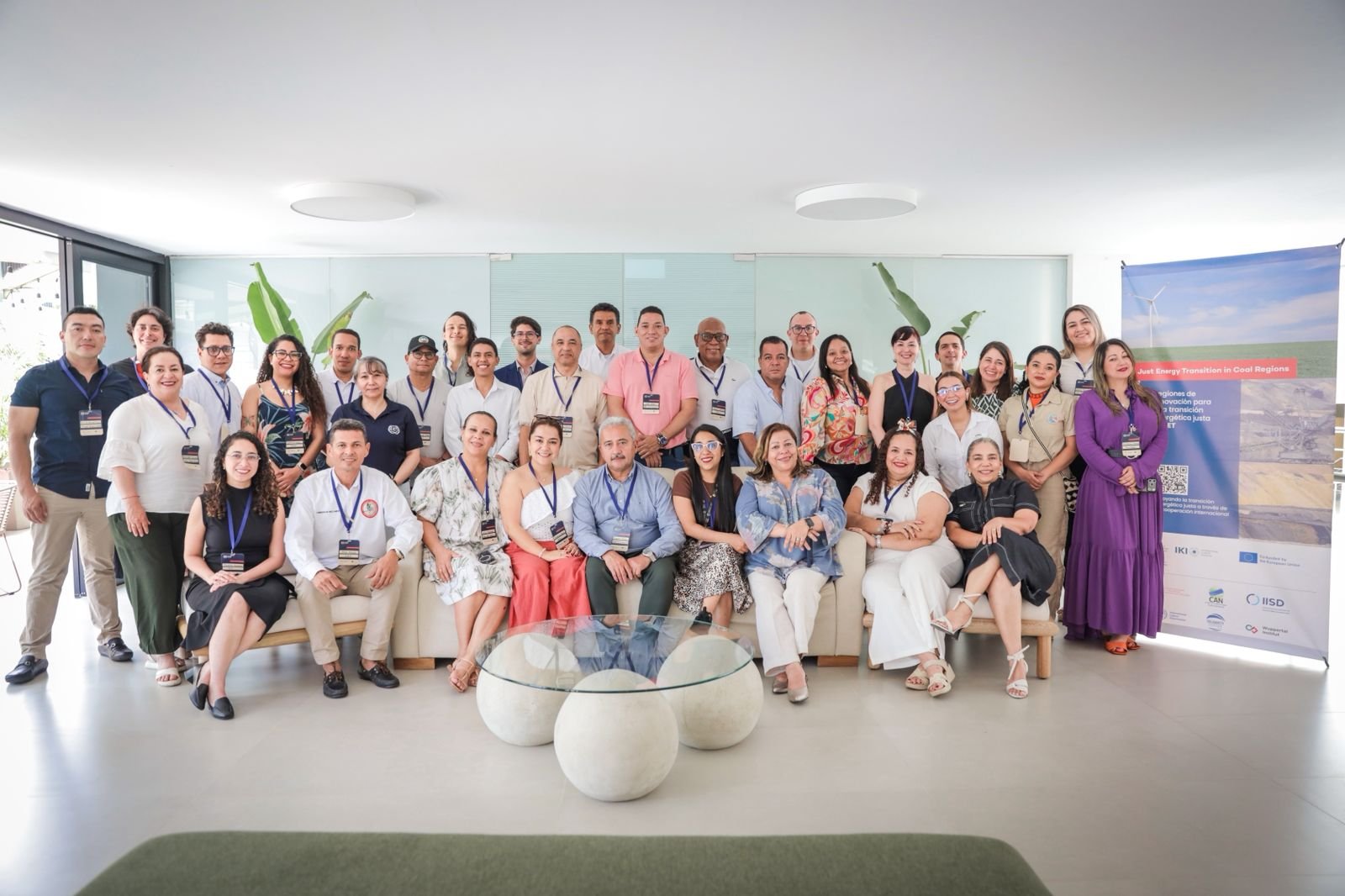
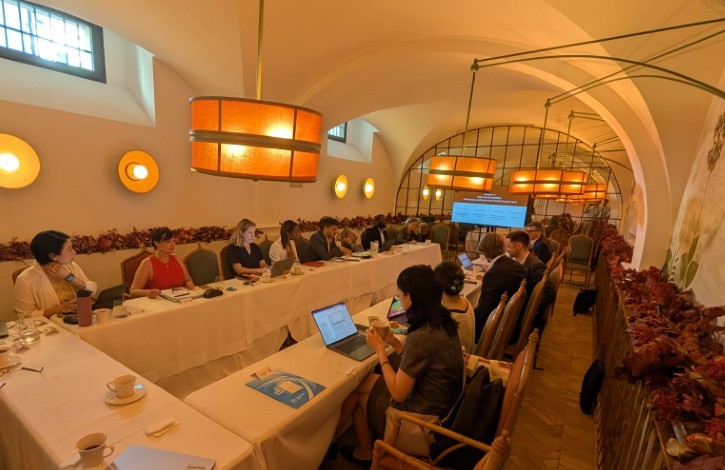
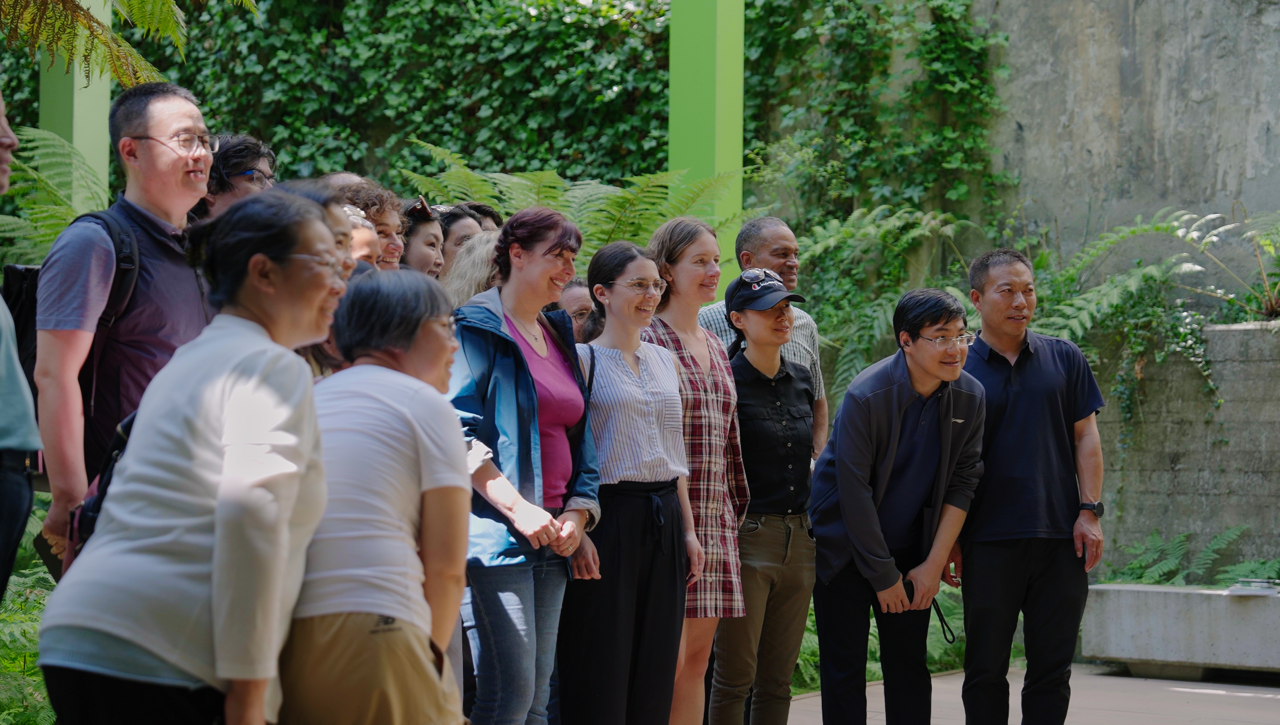
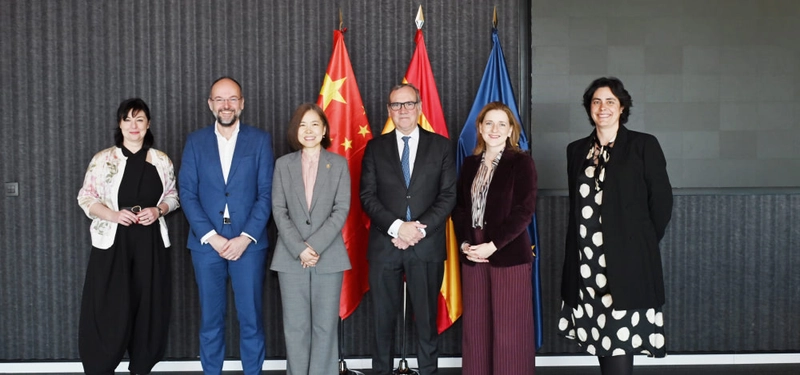
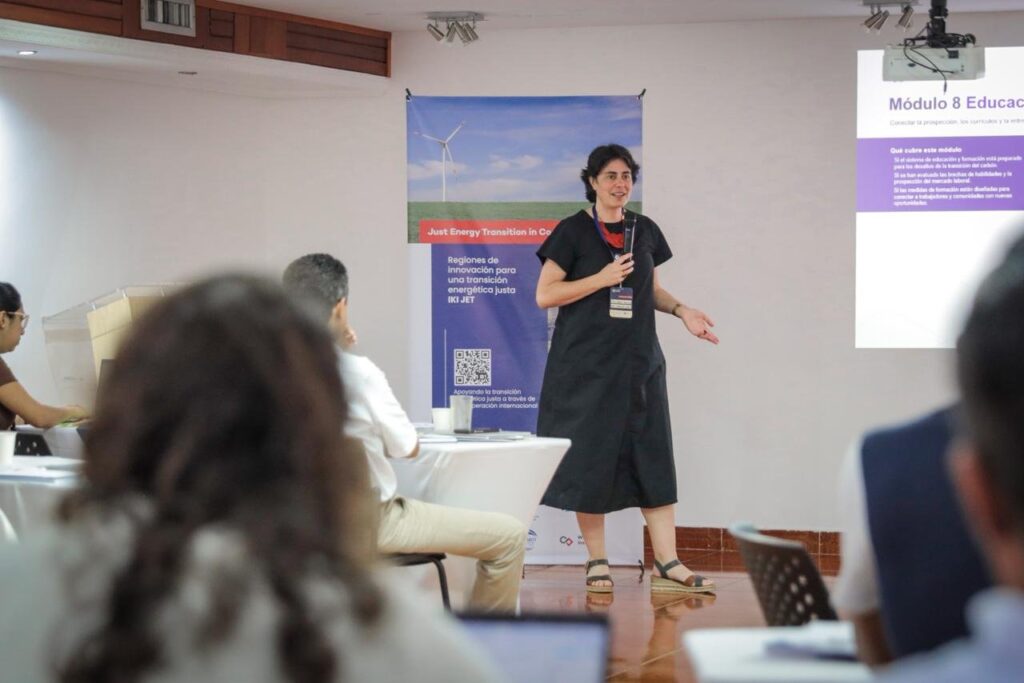
The IE-iGDP Just Transition Observatory (JTO) at IE University, in collaboration with the International Labour Organization (ILO), delivered a three-day workshop in Valledupar, Colombia, focused on the Practical Guide for Just Energy Transition (JET) Strategies in Coal Regions. A tool developed by the JTO for the ILO under the IKI-JET project.
The workshop takes place at a critical juncture for the just transition agenda. The momentum has been building rapidly at the international level: at COP28 in Dubai (2023), Parties agreed for the first time to “transition away from fossil fuels in energy systems, in a just, orderly and equitable manner” as part of the first Global Stocktake. At COP30 in Belém (2025), the Just Transition Work Programme (JTWP) advanced significantly with the adoption of a decision to develop a Just Transition Mechanism (JTM) under the Paris Agreement, designed to enhance international cooperation, technical assistance, capacity-building and knowledge sharing to enable equitable, inclusive just transitions (Decision 2/CMA.7, paragraph 25). The subsidiary bodies have been requested to recommend a draft decision on the JTM’s operationalization by June 2026, for consideration at CMA8 in November 2026.
Most recently, in April 2026, Colombia and the Netherlands co-hosted the first-ever intergovernmental Conference on Transitioning Away from Fossil Fuels in Santa Marta, Colombia. A landmark event that underscored the growing political momentum behind the fossil fuel transition and Colombia’s leadership role in this agenda.
Yet while global frameworks and political commitments continue to advance, the central challenge remains: how to translate these commitments into concrete, implementable action at the territorial level, where workers, communities, and local economies face the most direct impacts of the transition. The JTO’s Practical Guide is designed to bridge precisely this gap, providing an operational, evidence-based framework that regions can adapt to their specific circumstances.
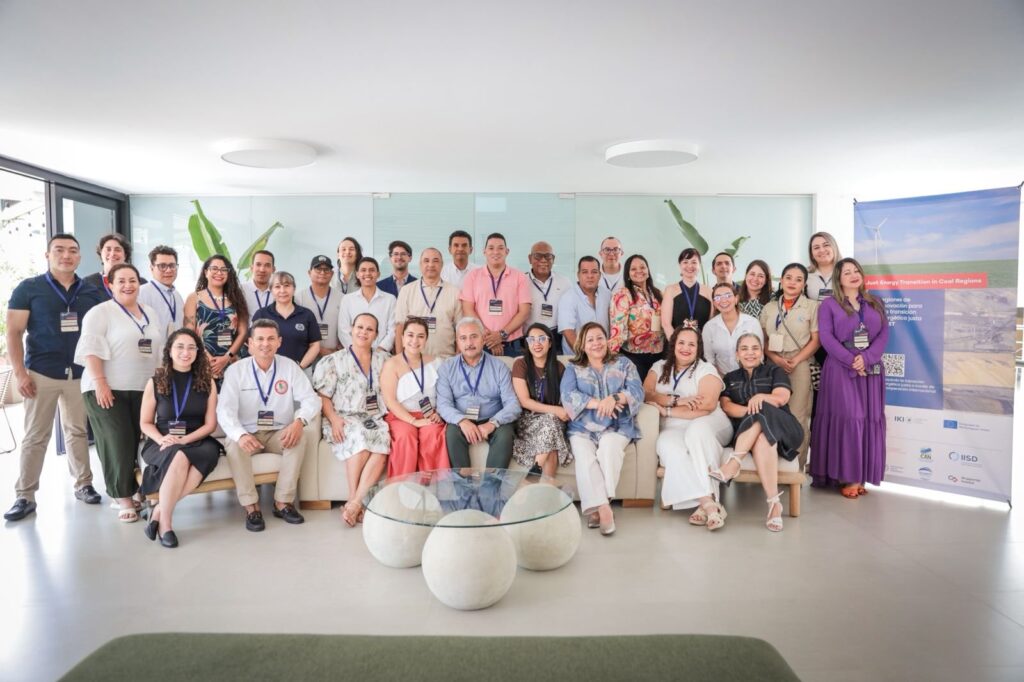
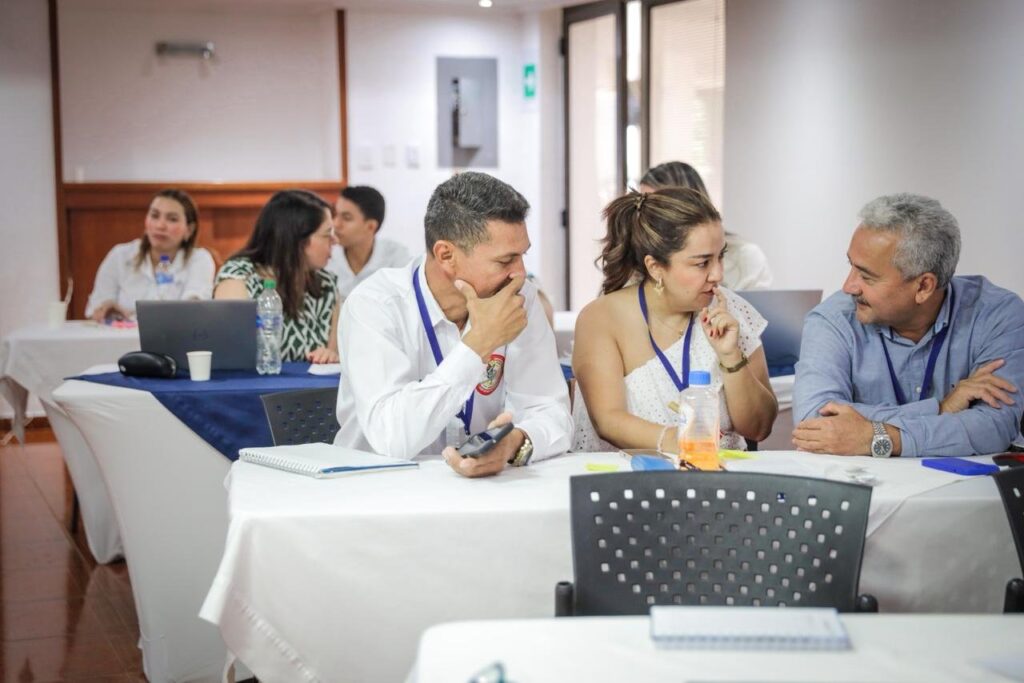
The workshop was designed as an applied, participatory space where stakeholders could engage directly with the Guide’s modules and test their applicability to Colombia’s coal-dependent territories, particularly the departments of Cesar and La Guajira.
Over the first two days, participants worked through guided exercises covering the Guide’s core thematic areas:
The third day was dedicated to structured reflection and feedback, with participants identifying opportunities to apply the Guide in their own institutional and territorial contexts, as well as barriers and enablers for implementation.
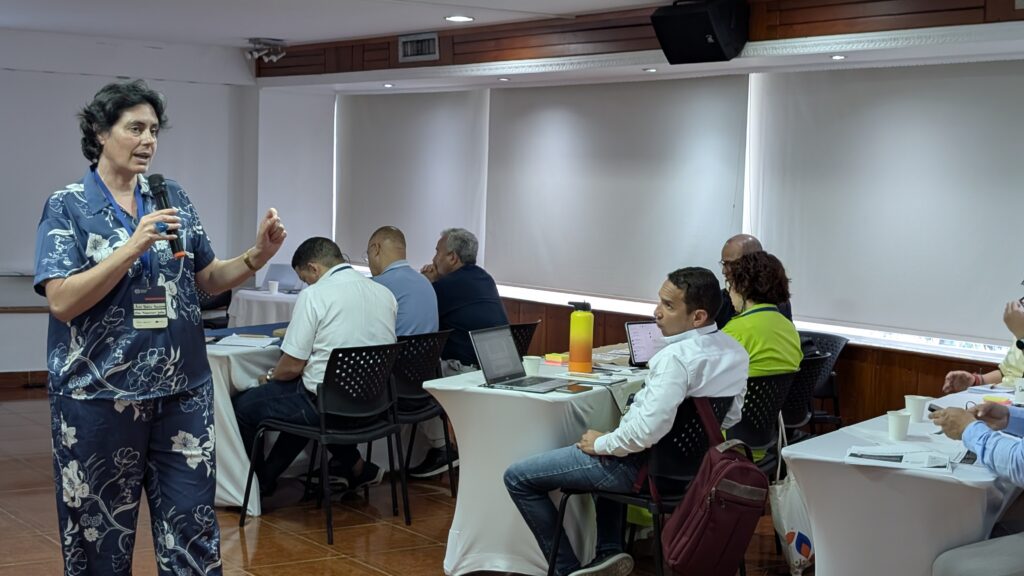
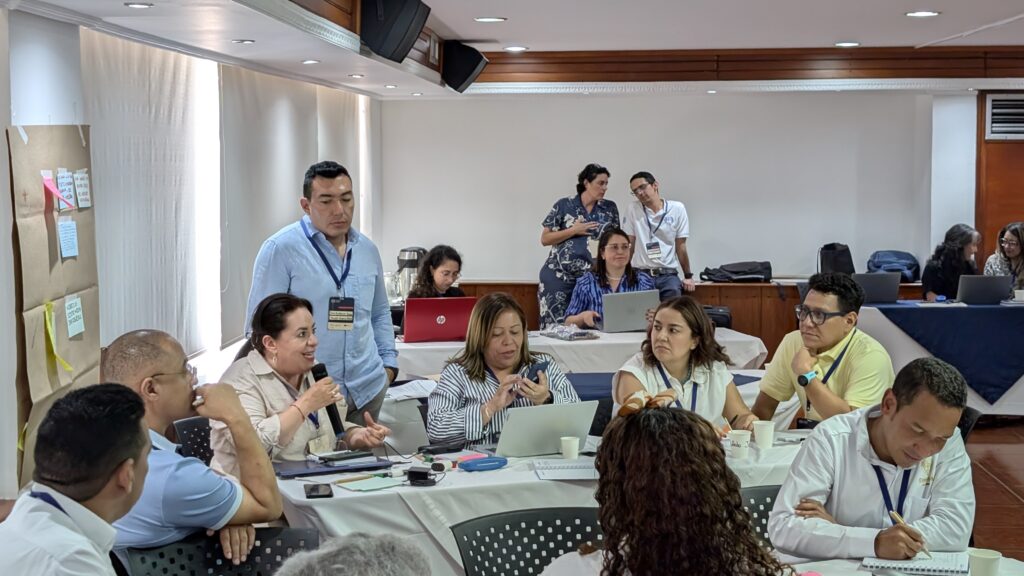
True to the ILO’s tripartite model, the workshop convened a diverse group of national and local stakeholders:
This tripartite structure ensured that the discussions reflected the full spectrum of perspectives needed to design transition strategies that are both technically sound and socially legitimate.
The Practical Guide was developed by the JTO to provide an operational, evidence-based framework that regions can adapt to their specific circumstances. The Valledupar workshop represented a critical step in grounding this global tool in Colombia’s reality, incorporating local knowledge, institutional dynamics, and the lived experience of communities at the frontline of the coal transition.
Participants left the workshop with strengthened capacities to apply the Guide and with concrete proposals for its adaptation to the Colombian context, contributing to the country’s broader just energy transition agenda.
The tripartite workshop achieved further steps for continuing the development and implementation of just transition actions in Colombia’s coal regions. The commitments and proposals that emerged from the three days of dialogue reflect a shared determination among government, workers, and employers to move from planning to action — ensuring that the transition is not only just in design, but just in practice.
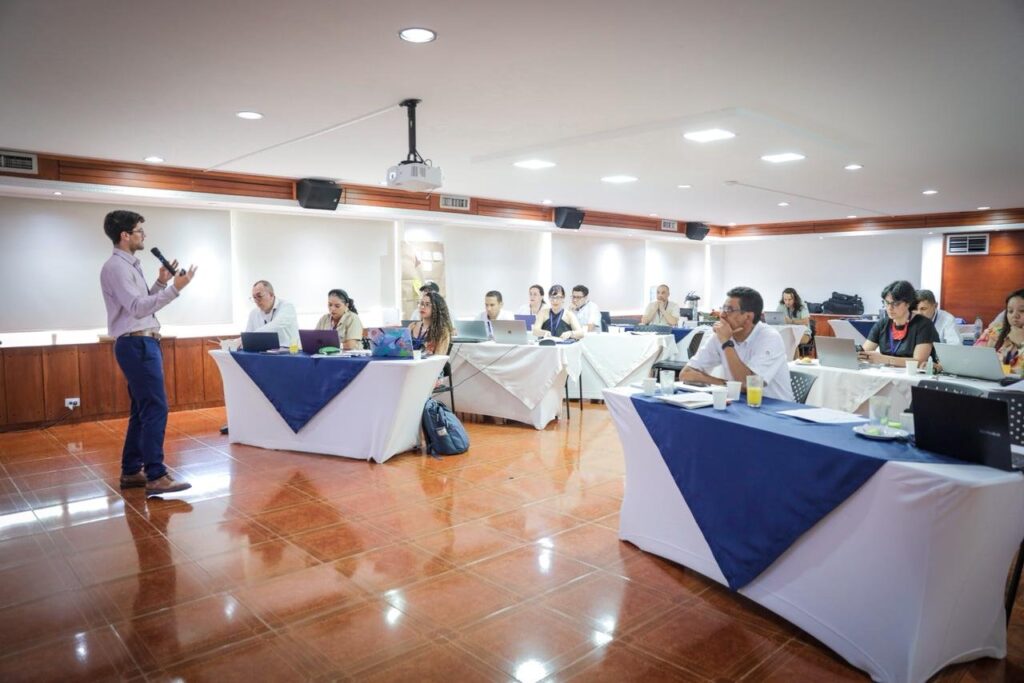
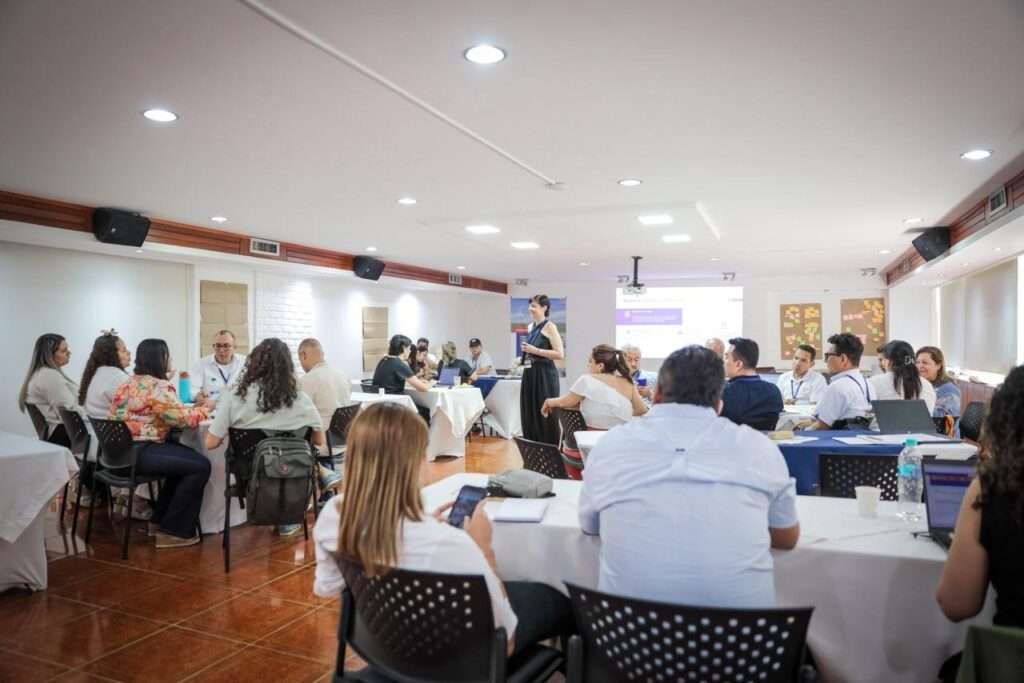
The workshop was carried out within the framework of the IKI-JET project (Just Energy Transition in Coal Regions), supported by the International Climate Initiative (IKI) of the German Federal Ministry of Economic Affairs and Climate Action (BMWK) and co-funded by the European Union under a grant agreement with GIZ.
We use both our own and third-party cookies to enhance our services and to offer you the content that most suits your preferences by analysing your browsing habits. Your continued use of the site means that you accept these cookies. You may change your settings and obtain more information here. Accept