The Fourth International Conference on Financing for Development (FFD4) concluded last month in Sevilla against a sobering backdrop: a yawning USD 4 trillion annual financing gap for the Sustainable Development Goals and climate commitments, disproportionately affecting developing nations. While the ensuing Sevilla Commitment is a robust blueprint for reforming the global financial system, the real test lies in its implementation, particularly in ensuring the transition to a low-carbon economy is just, equitable, and inclusive.
The historic Paris Agreement embedded the principle of “just transition” into the global climate fabric, recognizing that climate action must be undertaken in a way that is fair to workers and communities. Since then, mechanisms like Just Energy Transition Partnerships (JETPs) have emerged, yet they have often struggled with delivery, top-down conditionality, and a failure to address the intertwined crises of debt and development fully. The conversation in Sevilla marked a critical evolution: moving from isolated financial transactions to a systemic overhaul of the entire financial ecosystem.
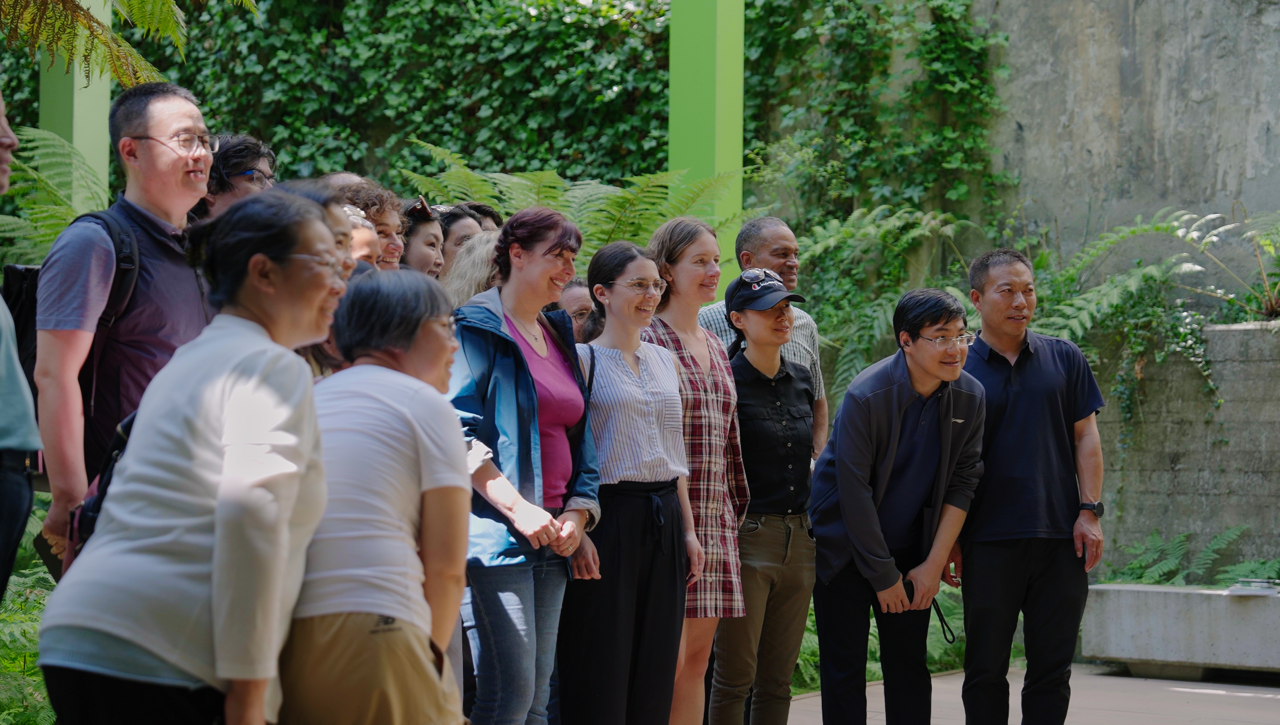
To translate these commitments into reality, the IE-iGDP Just Transition Observatory helped convene a pivotal side event, “Aligning Agendas: Creating Fiscal and Financial Pathways for Sustainable Development and Climate Action.” The workshop moved beyond numbers to focus on lived experiences and systemic barriers in the Global South.
The workshop identified several key priorities that resonate with the overarching Sevilla Commitment:
From Silos to System: Participants stressed the inseparability of development and climate finance. The Sevilla Commitment’s focus on reforming Multilateral Development Banks (MDBs), tripling lending capacity, and promoting South-South cooperation (Paragraphs 37, 36f-h) aligns with the need for a coordinated, system-wide approach rather than fragmented projects.
Debt and Climate Vulnerability: A significant breakthrough in the Sevilla talks was the stronger link between debt sustainability and climate shocks. The Commitment encourages “climate-resilient debt clauses” (Paragraph 48d) and calls for debt sustainability assessments that better account for investment needs in resilience, a point passionately argued for in the workshop. This is vital for a just transition, as nations drowning in debt cannot invest in retraining programs or social safety nets for communities affected by the energy shift.
Beyond GDP: Both the workshop and the final Sevilla document (Paragraph 38b, 65g) champion moving beyond GDP as a primary measure of progress. Adopting multidimensional vulnerability indices is crucial for directing concessional finance to those most in need, ensuring that no country is left behind due to a statistical technicality.
Coalition Imperative: A central outcome was the identified need to foster ecosystems among MDBs, research institutions, and policy platforms. This aligns with the Sevilla Commitment’s push for enhanced coordination (Paragraph 7). Academics and thinktanks are positioned to be a key node in such a coalition, translating academic research into actionable policy and ensuring the “just transition” lens is applied to financial reforms.
The role of the IE-iGDP Just Transition Observatory is to be the connective tissue between these high-level agreements and on-the-ground reality. It champions a transition that is not only about installing solar panels but also about creating decent jobs, supporting displaced workers, and ensuring affordable energy remains accessible. By providing a platform for honest dialogue and evidence-based policy, the Observatory ensures that the “just” in just transition is not an afterthought, but the central objective.

The Sevilla FFD4 did not just pledge more money; it pledged a more innovative, fairer system. The challenge now is to build the coalitions that can deliver it. The IE Just Transition Observatory, through events like this workshop, ensures that the voice of the Global South is not only heard but also instrumental in building that future, a future where the transition is truly just for all.
Cohosts: Boston University GDP Center, Children’s Investment Fund Foundation, Finance for Development Lab, Gates Foundation, IE-iGDP Just Transition Observatory, Shanghai University of International Business and Economics, World Resources Institute.
We use both our own and third-party cookies to enhance our services and to offer you the content that most suits your preferences by analysing your browsing habits. Your continued use of the site means that you accept these cookies. You may change your settings and obtain more information here. Accept